
2026 Office Technology Forecast: Smart Workplace Trends
TLDR; By 2026, Sydney offices are being reshaped by AI- and IoT-powered smart buildings, hybrid work technology, and data-driven space planning that make workplaces more efficient, flexible, and employee-friendly. Smart systems are increasingly used to optimise energy use, sustainability, compliance, and building performance, while meeting equity tools support hybrid teams and better collaboration. Using real-time data helps organisations design adaptable layouts that respond to actual usage rather than assumptions, reducing wasted space and long-term costs. The key takeaway is to plan technology early in office fitouts and interior design, as early integration lowers renovation costs, improves sustainability outcomes, and future-proofs workplaces for evolving work patterns.
Sydney offices are changing fast (you’ve probably noticed it already), and the gap between how they work now and five years ago keeps growing. What’s most interesting is how, by 2026, office technology is expected to shape not only how teams work, but also how buildings run and how spaces are planned overall. It’s a big shift, honestly. For Sydney businesses and property managers, this often means more pressure, with budgets and timelines feeling tighter than ever. At the same time, it opens up real opportunities for those willing to adapt, which is where many offices need to go anyway.
The 2026 office technology landscape isn’t about flashy gadgets or gimmicks (no sci‑fi nonsense here). It’s about smart systems that help people work better, cut waste, and simplify day‑to‑day office management. It’s practical stuff. These tools affect office design and construction planning, and they also influence council approvals and long‑term running costs, which are often missed early on. When technology isn’t considered from the start, renovations can feel outdated before the doors even open, and that’s frustrating for everyone.
This article breaks down the most important upcoming office tech trends shaping smart workplaces (straight to the point). It looks at what’s coming and why it matters in Sydney, with a clear focus on how these trends should guide office fitouts and renovation decisions, especially when changes are planned soon.
Smart Buildings Powered by AI and IoT
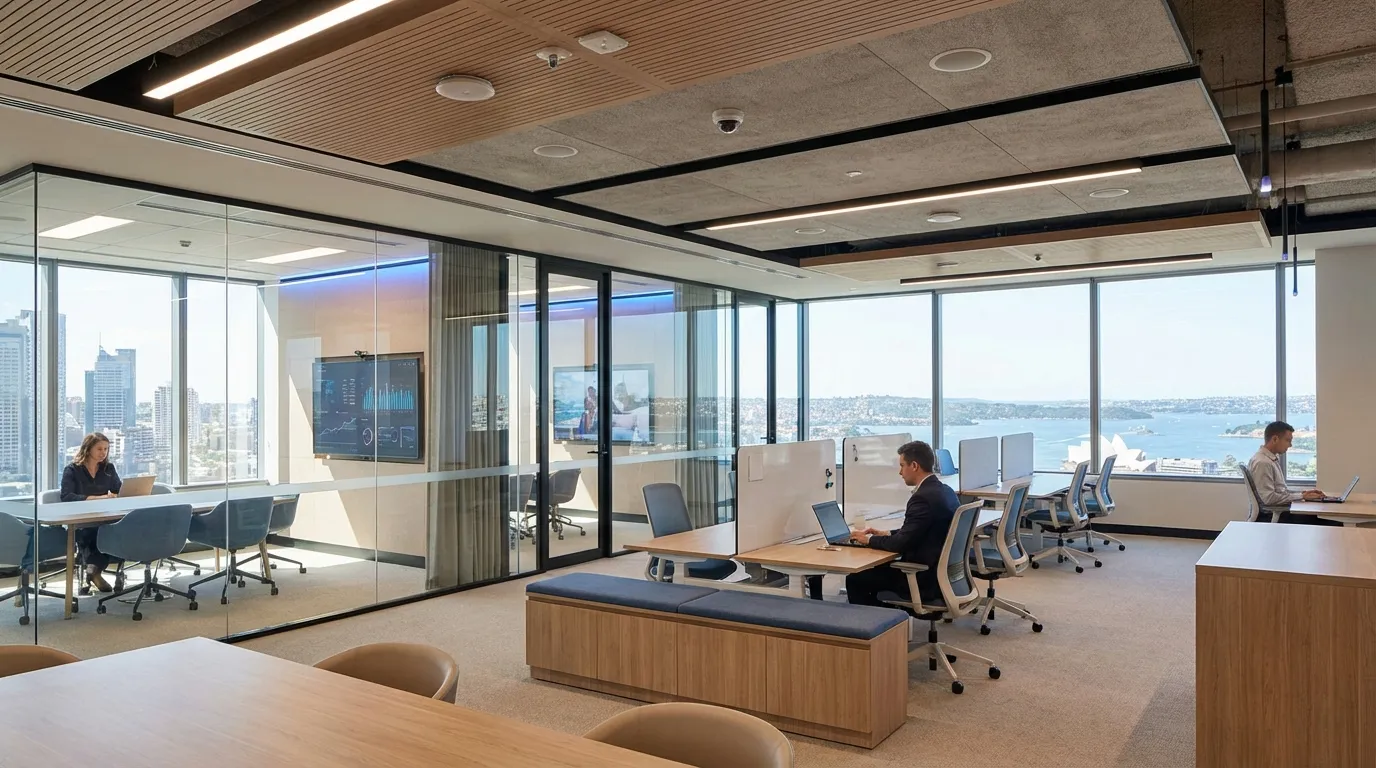
One of the biggest shifts in office technology in 2026 is the rise of AI-driven smart buildings. In my view, this change is mostly practical rather than hype. These offices use sensors, live data, and automation so the space responds to how people actually work day to day, not how someone once guessed they might. Lighting and air conditioning adjust in real time based on occupancy and usage patterns. This often makes the space more comfortable while keeping energy use tied to real activity instead of fixed schedules. For teams, that kind of flexibility usually matters more than flashy features.
The growth numbers help explain why this trend is appearing everywhere. According to 360iResearch, the global smart office market is expected to reach USD 76.9 billion in 2026 (Source). Reports like this work best for spotting big-picture shifts, and here they point to smart systems becoming normal in everyday offices, not just high-end spaces with oversized budgets.
Behind the scenes, Internet of Things sensors track room usage, temperature changes, and movement through the building. This steady stream of data helps reduce wasted space and bring energy bills under control. Coherent Market Insights, often cited for operational benchmarks, reports that IoT-based occupancy monitoring can improve space efficiency by 20 to 30% (Source).
AI also helps with day-to-day reliability. Predictive maintenance spots issues before equipment breaks down, which is usually when problems become obvious. Fewer surprises often mean less downtime, longer system life, and lower repair costs across large Sydney commercial assets.
AI-ready Internet of Things devices and tailored models will proliferate in the coming year, helping to unify disparate systems and connect the dots between business areas.
For Sydney fitouts, this means technology needs to be planned alongside interior design from the start. Power and data planning, ceiling layouts, and joinery all have to support these systems. Doing this early often saves money and disruption later, especially compared to adding technology after people have already moved in.
Hybrid Work and Meeting Equity Technology
Hybrid work isn’t a short‑term phase anymore. It’s now part of everyday office life, and it looks like it’s here to stay. By 2026, the focus shifts to meeting equity. Put simply, people should usually have a similar meeting experience whether they’re joining remotely or sitting in the room. Clear audio, fair participation, and fewer moments of “Can you hear me?” make a real difference.
Research from 360iResearch, a source that’s generally solid on workplace tech trends, shows that 61% of organisations have already integrated connected meeting room technology (Source). As teams spread across cities, offices, and home setups (which is common now), that number is expected to grow. That’s not surprising.
Modern meeting rooms typically need:
- Multi‑camera setups
- Smart microphones
- Acoustic treatment
- Integrated screens and control panels
When these systems work well, they reduce fatigue and support inclusion. Clear sound and easy controls help meetings run smoothly without constant IT help, so people stay engaged.
In 2026, leading organizations will roll out large-scale implementations of meeting equity, driven by employee expectations and the potential for better recruitment, productivity, and customer engagement outcomes.
For Sydney offices, this shift affects room sizes and cabling routes. Collaboration tech works best when it’s part of the base design, not added later, which often causes issues. It also shapes acoustics, lighting, furniture, and sightlines. In my view, those details usually decide how well meetings actually work.
Data-Led Space Planning and Flexible Layouts
Office planning today is guided by data in a very hands-on, everyday way. Desk booking tools and occupancy dashboards show which areas people really use and which sit empty, and the results are often surprising. With fewer guesses involved, businesses usually get a clearer sense of how much space they actually need and where space is being wasted. When it comes to planning an office, this shift often matters more than people expect.
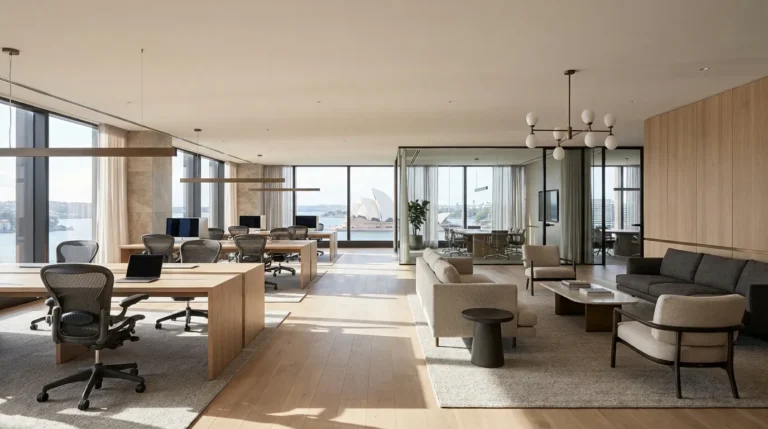
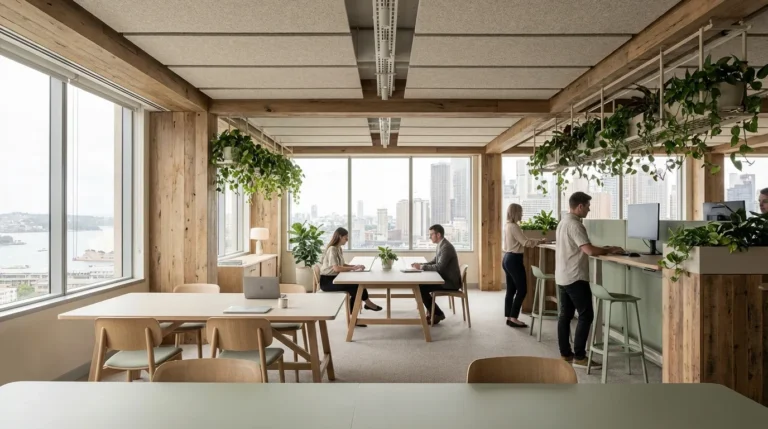
Across the Sydney CBD, many workplaces are reducing their overall footprint while still improving the day-to-day experience. Long lines of fixed desks are often swapped for flexible zones, usually placed closer to shared areas instead of tucked away. Focus rooms, collaboration spaces, and quiet zones now matter more than they used to, especially for hybrid teams, because this mix is what many people want from an office.
Coherent Market Insights reports that over 60% of large enterprises have adopted at least one smart office solution (Source). These tools help show real usage patterns, which are usually more reliable than assumptions. That information often leads to clearer and more workable layouts.
Data also helps with scenario planning. Teams can test growth, hybrid attendance, and peak days like busy midweeks. Layouts can stay flexible without major rebuilds, as long as the data is actually used.
Common mistakes include:
- Designing too many desks without real usage data
- Overlooking power and data needs in flexible layouts
Data-led planning works best when design, build, and technology teams work together from the start. It also makes updates simpler during lease-end make good works, as outlined in this office make good guide.
Sustainability and Compliance Through Smart Systems
What usually gets noticed first is the impact: smart systems can lower carbon output while also cutting running costs. Sustainability isn’t a nice-to-have anymore, and smart tech often helps teams meet environmental targets and compliance rules in a practical way. Energy monitoring and automated shading, when properly connected to HVAC, bring results most teams can see fairly fast. Practical gains, real impact.
This shift is showing up earlier in projects. According to Cohesion IB, sustainability tech is now included in office renovations from the start instead of being added later (Source). As an industry-focused source, it helps explain planning-stage choices and often reflects what’s really happening on site.
For Sydney property managers, this usually supports ESG reporting and can make buildings more appealing to premium tenants. Smart systems also support accessibility compliance through steadier lighting, cleaner air, and clearer wayfinding, the everyday details people notice.
Real-time dashboards make NABERS and compliance targets visible without manual reporting in most cases. No guesswork.
The pace of change in corporate real estate has never been greater, and transformation must be continuous, not a one-off initiative.
These systems work best when they fit fitout materials, ceiling heights, and glazing choices, details that are easy to miss. That’s why sustainability planning belongs inside design and construction, like choosing glazing that works with automated shading from day one.
Planning Technology Early in Office Fitouts
When office technology decisions are made often decides whether a project feels smooth or stressful. In most fitouts, tech choices work best when they’re set early, before designs are locked in. Leave it too late and costs can climb, timelines slip, and fixes turn reactive. This happens more often than many expect.
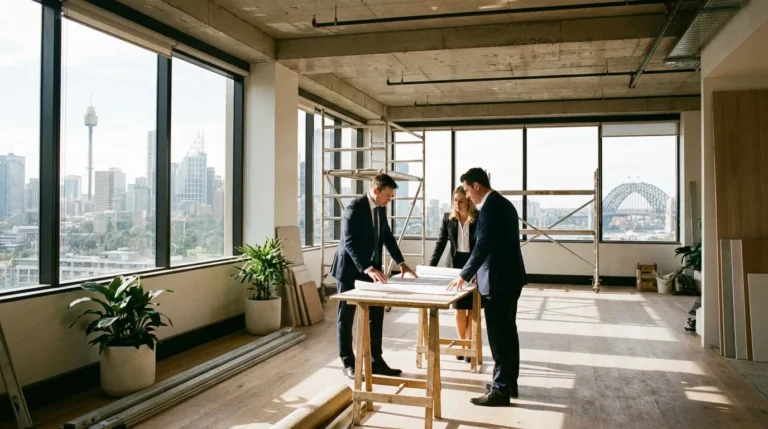
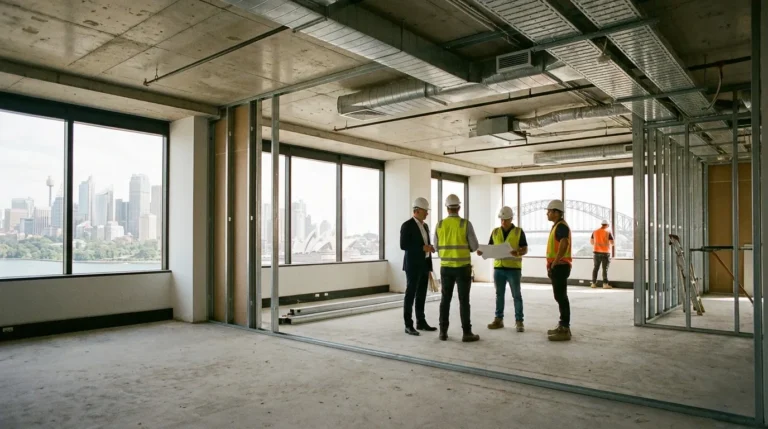
So what tends to work well? Projects usually run better when technology workshops happen early, before drawings are signed off. A helpful step is writing down power and data needs from day one so everyone stays on the same page. Anyone who’s dealt with ceiling or joinery clashes knows how frustrating they can be. Making sure these details line up avoids that. It’s also smart to leave room for future upgrades, even if they won’t be used straight away.
Budget confidence is another benefit. When systems are defined upfront, provisional sums, redesigns, and quiet variations are easier to avoid. That often means less stress and fewer surprises.
Early planning also makes refurbishments and lease changes easier. Knowing cabling and systems from the start helps with later reviews, including checks against another office make good guide. Additionally, you can explore office fitout solutions in Sydney to better understand available integration options.
For Sydney businesses, working with a design and construction partner experienced in smart office integration can lower risk and make upgrades over time simpler, especially when planning starts early.
Frequently Asked Questions
What is the most important office technology trend for 2026?
Often the biggest change is smart building systems that use AI and IoT, you can’t miss them. They cut energy use, make offices easier for people, lower running costs, and help workplaces stay flexible day to day.
How does office technology affect office renovation costs?
I believe planning tech early cuts costs and stress by avoiding last-minute rushes. Changes made late often increase construction work, lead to rework, and push back approvals and move-in dates.
Not really. Smart systems tend to scale well for small and medium businesses in Sydney, I think. Modular platforms let companies start simple and grow as needs change over time, staying flexible and affordable.
Does smart office technology help with sustainability goals?
Yes, I think so. Energy monitoring and automated systems often cut emissions (you notice fast). Lower emissions boost NABERS performance and support ESG outcomes (likely what you want).
Should technology planning be part of interior design?
Absolutely. It’s clear that technology affects layouts, ceilings, joinery, lighting, and acoustics, so planning it early usually leads to better results.
Preparing Your Workplace for What Comes Next
Smart offices aren’t a far-off idea anymore. By 2026, technology is becoming part of how workplaces are designed, built, and run. For Sydney businesses and property managers, the real benefit often comes from planning early instead of reacting later, which usually leads to extra stress. Planning ahead is often the easier option.
What tends to work best is thinking about smart systems at the same time as interior design, construction planning, and long-term building goals. This approach often cuts down on rework, makes day-to-day tasks easier for staff, and helps maintain property value over time, which matters to most owners. Fewer obstacles usually mean smoother daily use.
Early planning also makes spaces more flexible. Offices built with adaptable technology can adjust as teams change, rules shift, or tenant needs evolve, which happens often. That kind of flexibility usually only works when it’s planned from the start, not added later.
Considering a renovation or full fitout? It helps to look past finishes and furniture. Thinking about how technology supports people, and how the space will function years from now, often leads to stronger smart workplaces across Sydney. Moreover, reviewing guides on office fitouts in Sydney can provide valuable insights for long-term planning and integration of 2026 office technology.
One Comment
Comments are closed.