Office Layout Design for High-Performance Hybrid Teams in Sydney
Last updated:
TLDR; Hybrid work is now the norm for Sydney businesses, forcing offices to adapt to fluctuating attendance, collaboration needs, and cost pressures. Effective hybrid office design focuses on flexible layouts, activity‑based workspaces, and zones that support collaboration without excessive noise or wasted space. Businesses must balance performance and budget by right‑sizing desk numbers, investing in adaptable fitouts, and planning for long‑term change rather than short‑term fixes. The key takeaway is that offices should be redesigned not just to look modern, but to actively support how teams actually work today and in the future.
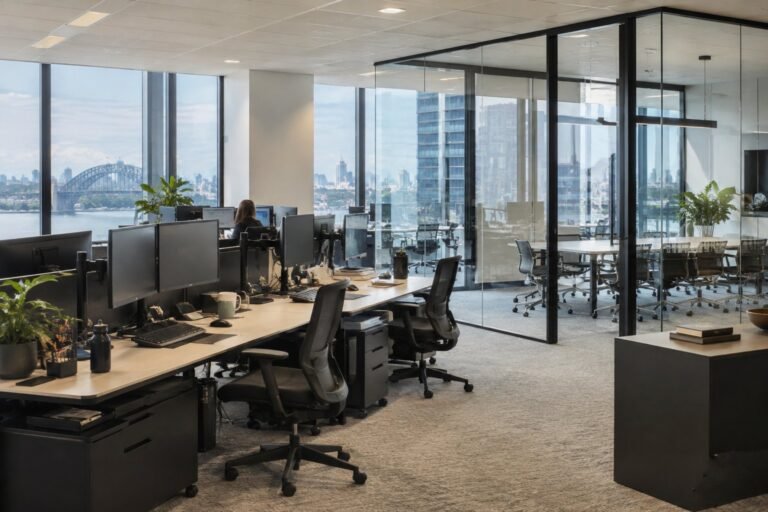
Hybrid work usually isn’t a passing phase anymore. For most Sydney businesses, it’s just how work happens now. Teams often split time between home and the office, depending on the week (and sometimes the weather, honestly). Some people come in two days, others only for key meetings. That part isn’t surprising. What’s changed for many businesses is how offices need to work day to day, and how thoughtful office layout design supports this shift.
The most obvious issue often shows up midweek. Across Sydney, offices sit half‑empty on some days, then feel packed and stressful on others (you’ve probably felt that squeeze). Fixed desks go unused, while meeting rooms fill up fast. Noise becomes a problem when everyone arrives at the same time. This is where smart office layout design really starts to make a difference.
A high‑performance hybrid office layout supports both focused work and teamwork, with flexibility for different ways of working (quiet tasks versus group chats). It helps people do their best work when they’re in the office instead of at home, and it can also help businesses manage costs and plan for growth. This guide explains how Sydney businesses can rethink office design for hybrid teams. It looks at layout planning, technology, cost control, common mistakes to avoid, and practical steps to take before starting an office renovation or fitout, which often saves headaches later.
Understanding How Hybrid Work Is Changing Sydney Offices
Hybrid work has changed how offices are used across Australia, and Sydney shows that change pretty clearly, especially around the middle of the week. According to the AHRI Hybrid and Flexible Working Report 2025, 70% of Australian organisations plan to keep hybrid work in place over the next two years (Source). For many teams, the office is now somewhere you go a few days a week instead of every day. That shift is significant, and many people adjusted faster than expected, likely because flexible routines were already common before.
Office attendance also changes a lot depending on the day. The CBRE Australian Occupier Survey 2025 shows average office use at 52% overall, rising to 67% on the busiest days, usually Tuesday to Thursday (Source). Some days feel busy and social, while others are clearly quieter. Offices now need to manage those busy days without leaving too much space empty during the rest of the week.
| Metric | Result | Source |
|---|---|---|
| Organisations keeping hybrid work | 70% | AHRI 2025 |
| Average weekly office use | 52% | CBRE 2025 |
| Peak day utilisation | 67% | CBRE 2025 |
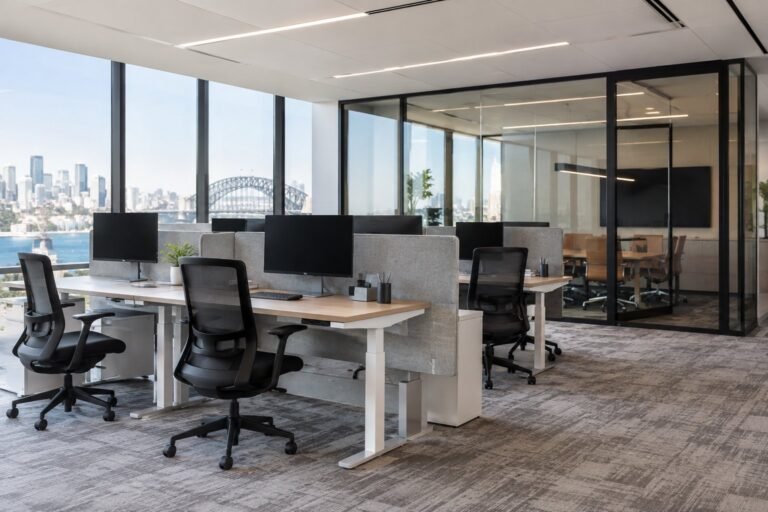
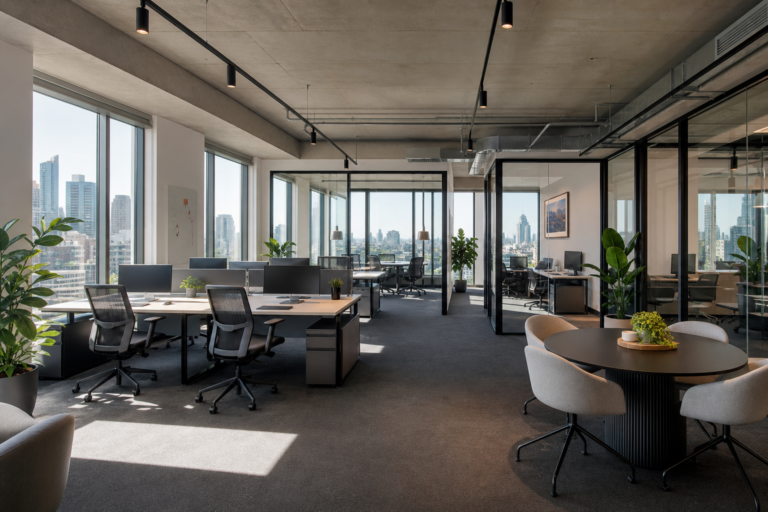
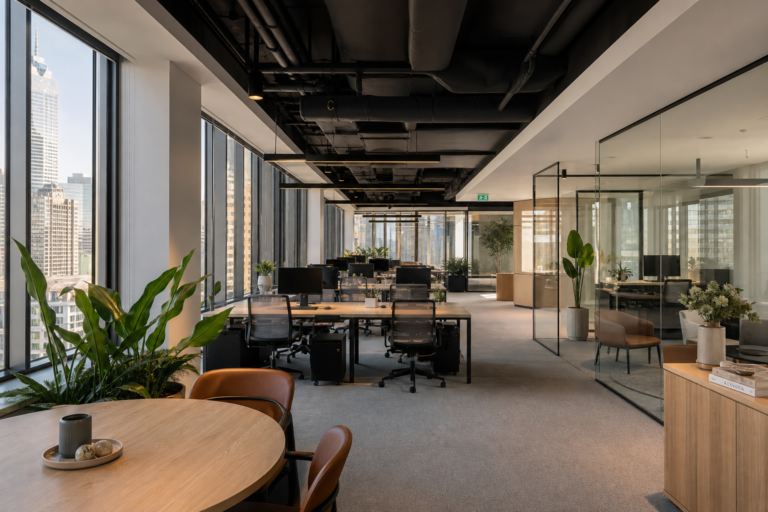
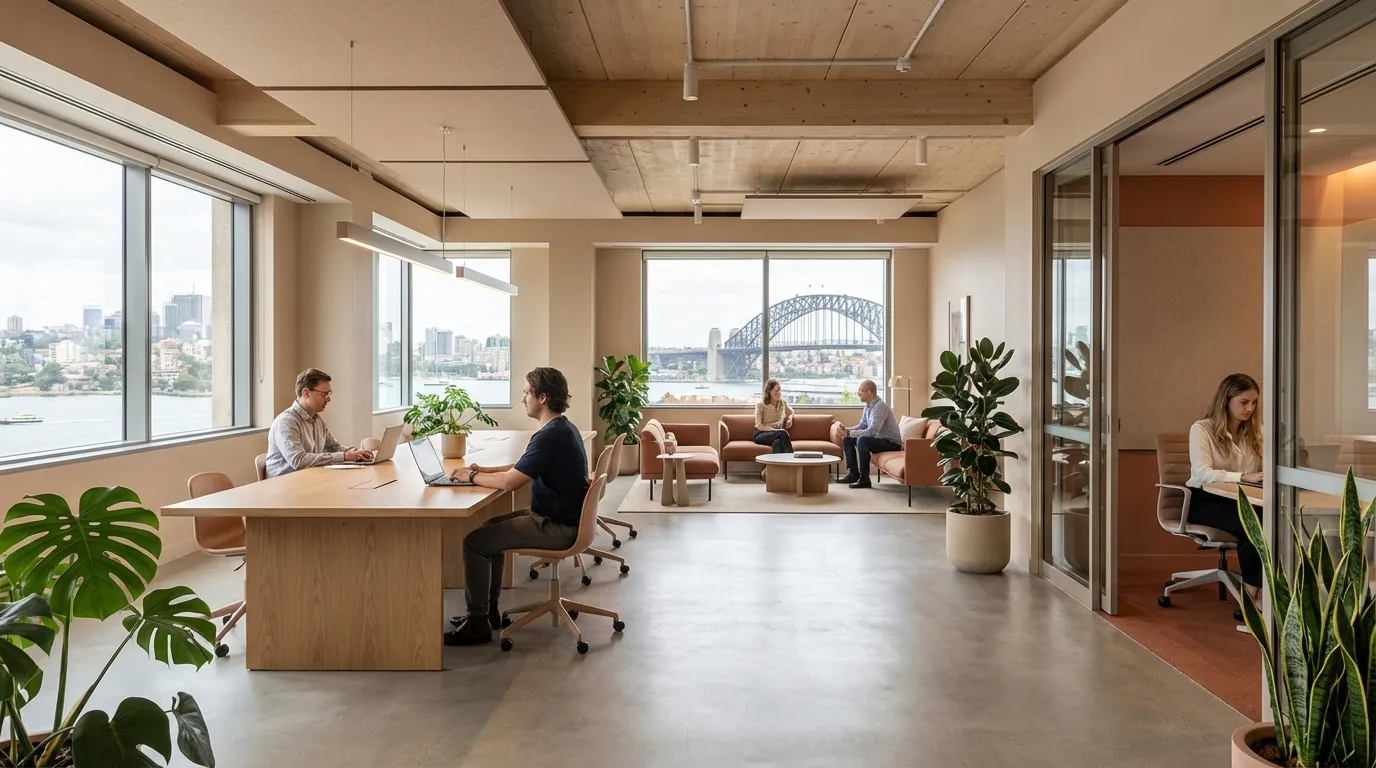
These patterns have shaped how offices are designed. This often means fewer fixed desks and more shared areas, which many workers already recognise. Activity-based working is now common, letting people choose where to sit based on what they’re doing. Quiet rooms support focused tasks, while open spaces are used for teamwork. Desk sharing ratios of about 1.3 to 1.6 people per desk are now typical, and that feels like a practical match for how offices are really being used.
Planning a Hybrid Office Layout Design That Actually Works
A hybrid office layout that actually lasts usually starts with planning, not shopping for desks and chairs (even though that part is tempting). Many Sydney businesses jump straight into design without really looking at how their teams work day to day. That’s often where shortcuts slip in, and it’s usually how you end up with offices that look great in photos but feel awkward once people are actually using them.
The most helpful step often comes earlier: mapping how the team uses the office during a normal week. This doesn’t need to be complicated. How busy are the peak days? What work needs quiet focus, and what’s better done together? Even rough answers often give clear direction and reduce guesswork later on.
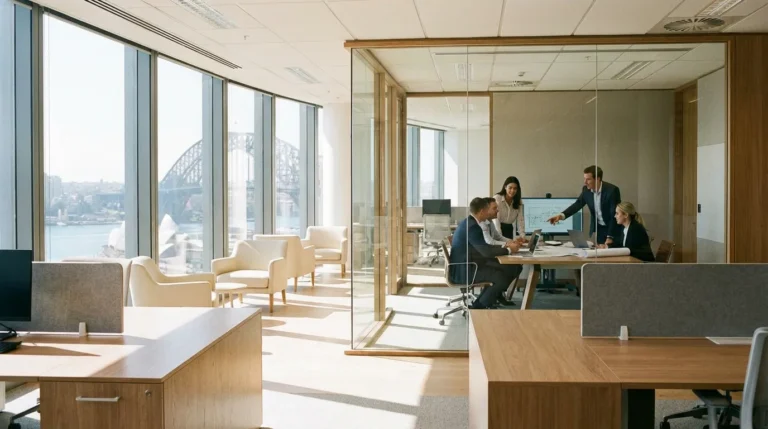
With those patterns in mind, zoning the space becomes much easier. A solid office layout design sets up clear areas for different kinds of work. Focus rooms give people somewhere quiet, especially on busy days. Small meeting rooms work well for quick catch-ups and are almost always booked. Larger project rooms support workshops and team days, while phone booths help stop noise spreading through open areas, which most teams appreciate.
Technology should support the layout, not work against it, and this is often missed. Meeting rooms need reliable video and audio for hybrid calls. Power and data should be easy to reach, without searching for a spare outlet. Booking tools also help stop rooms sitting empty when others need them.
If a full renovation is on the table, this is covered in more detail here: Plan Office Renovation: Step-by-Step Guide for Sydney Businesses.
Designing Office Layouts for Collaboration Without Creating Noise
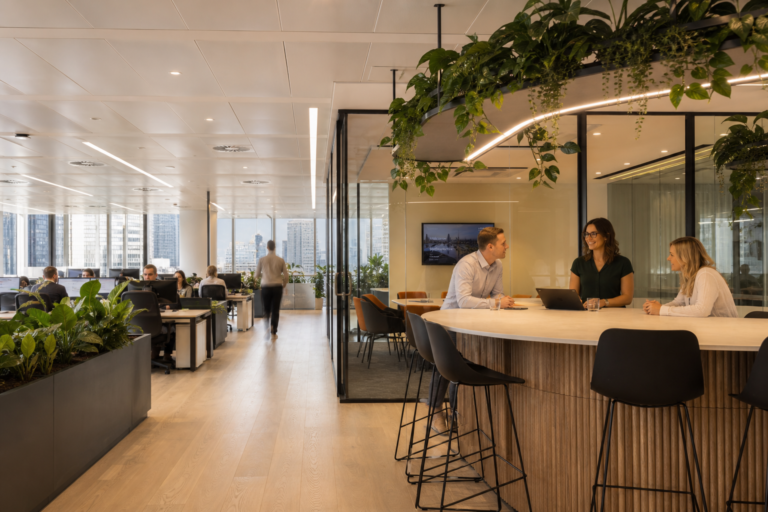
Hybrid offices exist so people can actually work together, not just sit near each other. The main reason people come in is usually to connect, share ideas, and work through problems that are harder to solve alone (you’ve probably felt that difference yourself). That’s often what people want from being in the office. The problem is that when a space isn’t planned well, collaboration can turn into distraction very quickly. Most teams have seen how fast noise can take over.
So what usually causes issues first? Collaboration areas placed right next to quiet focus zones. Sound often travels further than expected, and productivity can drop almost immediately. This is where acoustic zoning makes a real difference. Walls, screens, soft finishes, and ceiling treatments help control noise early, before it becomes a daily frustration. Fixing these problems later can be done, but it’s usually much harder.
Across Sydney, many businesses are also rethinking the traditional oversized boardroom. Big rooms that sit empty most of the week are being replaced with small to mid-size meeting spaces designed for regular use. They’re easier to book, feel more relaxed, and often cost less to build. The result is simple: people actually use them.
CBRE research shows unassigned seating has increased as hybrid work grows. This shift has pushed designers to rethink how collaboration spaces replace long rows of desks (Source). The focus is moving toward flexibility, with layouts that can change from day to day.
Storage and joinery are another area that’s often overlooked. Hybrid teams still need room for personal items, shared tools, and active project materials, sometimes more than expected. Custom joinery can keep things tidy and flexible, but only if it’s planned early, when changes are easier to make.
When a lease is ending or changing, layout decisions also need to match compliance requirements from the start. Planning ahead helps avoid surprises. There’s a clear office make good guide that explains what Sydney tenants need to consider: Office Make Good Guide: Lease End Compliance & Refurbishment.
Managing Costs in a High-Performance Office Layout Design Fitout
Sydney is regularly ranked as one of Australia’s most expensive cities for office fitouts. Cushman & Wakefield estimates the average Sydney office fitout at AUD $2,665 per square metre (Source). That figure surprises many teams, which is why early planning often shapes the final cost more than people expect.
When planned well, hybrid office layouts can help reduce some of that cost pressure. With fewer desks, spending on workstations and chairs usually drops. Smaller floor plates can also make more sense in CBD buildings, especially in older towers. Flexible spaces help too, as they can limit the need for major rebuilds when team sizes or ways of working change.
Problems appear quickly when the wrong corners are cut. Poor acoustics lead to complaints, unreliable tech makes hybrid meetings frustrating, and bad lighting often affects mood and focus sooner than expected.
A balanced approach tends to work best. Spending more on everyday essentials like lighting and meeting technology, while using modular walls and movable furniture, helps manage budgets without hurting performance. For property managers handling multiple assets, this approach is explored further here: Office Refurbishment Services for Sydney Property Managers.
Additionally, if your business involves healthcare or client-facing environments, you may find the Healthcare Office Fitouts Sydney: Key Design Requirements guide useful for understanding how layout impacts performance.
Future-Proofing Hybrid Office Space Design
Hybrid work keeps changing, often faster than expected, and offices built today usually need updates sooner than planned. To me, that’s the real point of future‑proof layout design. Flexibility and readiness for new tech may sound obvious, but they directly affect how smoothly daily work runs. A space locked into one setup can feel outdated very quickly.
Design choices matter. Raised floors with accessible ceilings make updates simpler, and modular joinery helps teams shift walls, desks, or storage with less disruption. Spaces that support more than one use tend to last longer, especially as teams grow or shrink.
Technology also matters. Smart sensors track how spaces are used, booking systems cut down on clashes, and video tools support hybrid meetings. For Sydney businesses planning fitouts, matching layouts to future upgrades can help avoid rigid setups that cause problems later. Flexible workspace is growing. CBRE reports it now averages 15.5% of occupier portfolios, up from 7.2% in 2022 (Source).
Moreover, you can explore upcoming innovations in the 2026 Office Technology Forecast: Smart Workplace Trends for insight into how technology will influence office layout design in the near future.
Questions people usually ask
What is a hybrid office layout?
A hybrid office layout supports in-office and remote work by using shared desks, collaboration areas, and quiet rooms (the mix) instead of fixed seating. It stays flexible for teams since desks aren’t assigned.
How many desks do hybrid offices need?
Most Sydney hybrid offices plan desk sharing at about 1.3 to 1.6 people per desk. What works for you usually depends on peak attendance and how your teams work day to day.
Is activity-based working right for small offices?
Clarity really matters here. I think activity-based working often suits small offices if zones are easy to understand. Even very small teams can add quiet focus spots and shared desks, and it often works well.
How much does a hybrid office fitout cost in Sydney?
Costs usually depend on size and finish. In Sydney, many hybrid offices sit around AUD $2,665 per square metre today, but it varies. Hybrid layouts can often lower the total bill by using space better and leaving less area unused, which you’ll notice.
When should businesses redesign their office for hybrid work?
But when the office is mostly empty on some days, you’ve probably noticed, it often means something’s off, I think. On busy days it can feel crowded, so the layout is worth reviewing, especially as lease renewals or team growth begin to push change.
Turning Your Office Into a High-Performance Hybrid Space
A well-designed hybrid office can become a place people want to come to, not somewhere they feel pushed to be, and that often makes more difference than teams expect. Hybrid work isn’t a short-term shift; for most Sydney businesses, it’s now the normal way of working. Companies that adjust their office design often see better engagement, easier collaboration, and smarter use of space, which usually means fewer empty desks.
Instead of following theory, a high‑performance hybrid layout looks at how people actually work each day. Meetings, focused work, and casual catch‑ups all need different types of spaces, and shaping the office around those habits matters more than chasing trends. With a clear plan, the right technology, and construction expertise behind it, the office starts to feel useful again.
Thinking about a renovation or full fitout in Sydney? A helpful first step is to use data rather than guesswork. What areas are busy, and what stays empty? Set clear goals early, then work with professionals who handle design, construction, and approvals from start to finish, for example, turning unused desk areas into spaces teams book and use.
Make Office Fitouts Sydney a preferred source in Google
One click tells Google to surface our articles more often in Top Stories, AI Overviews and AI Mode.