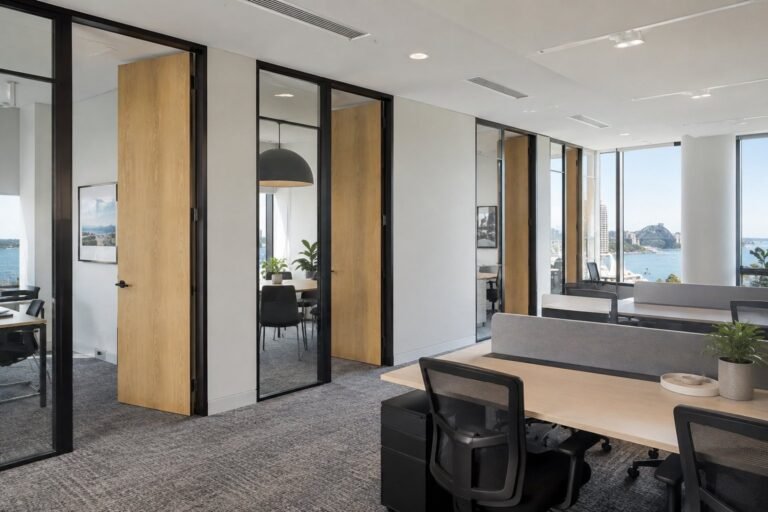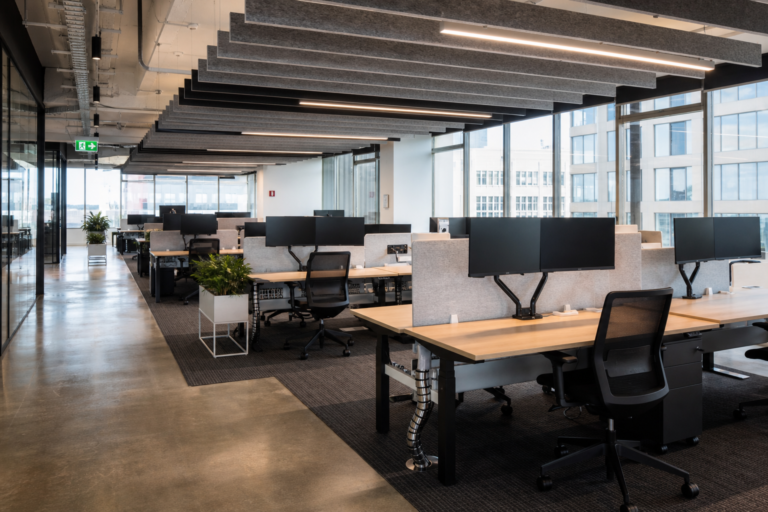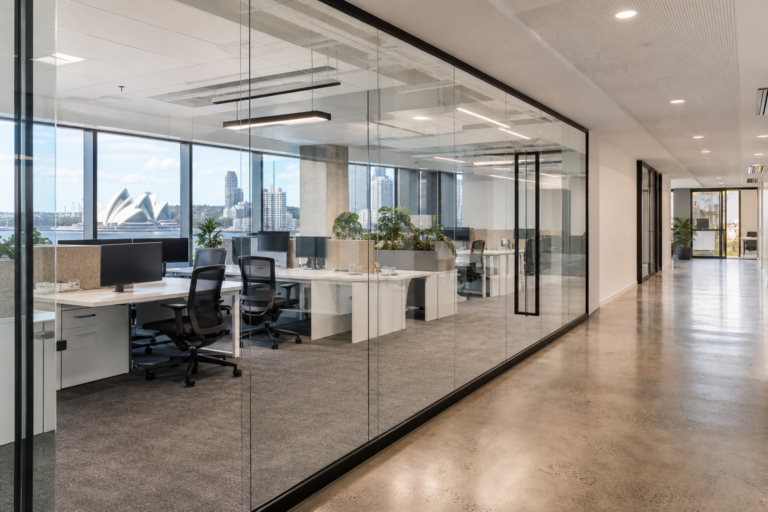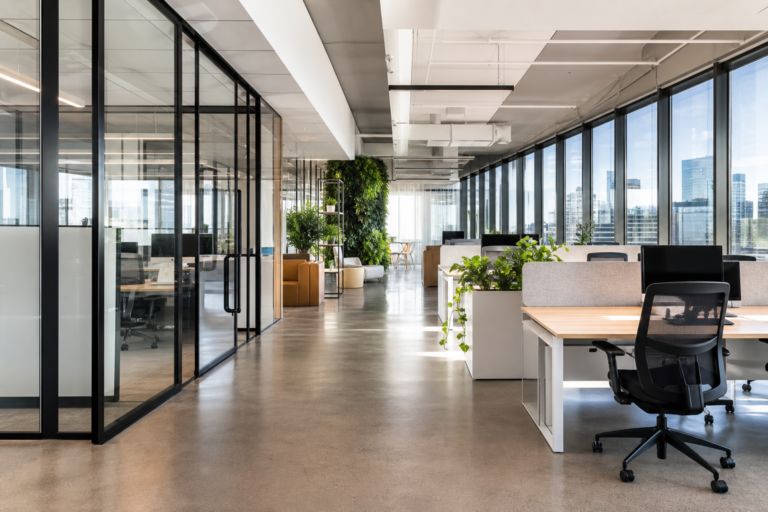
Commercial Interior Design for Employee Wellbeing
Last updated:
Walk into almost any Sydney office and you’ll feel it pretty quickly. Some spaces feel calm and focused (you usually notice within a few steps). Others feel draining, noisy, or just uncomfortable. That difference is rarely random. Most of the time, it comes down to commercial interior design choices that either support people or quietly make work harder (often without anyone talking about it).
Employee wellbeing is no longer a “nice to have.” It directly affects focus and health, and most teams pick up on that fast. It also shapes staff retention and how often people actually want to come into the office (especially mid‑week). For Sydney businesses and property managers planning a renovation or fitout, this has become a real priority. In many cases, a big one.
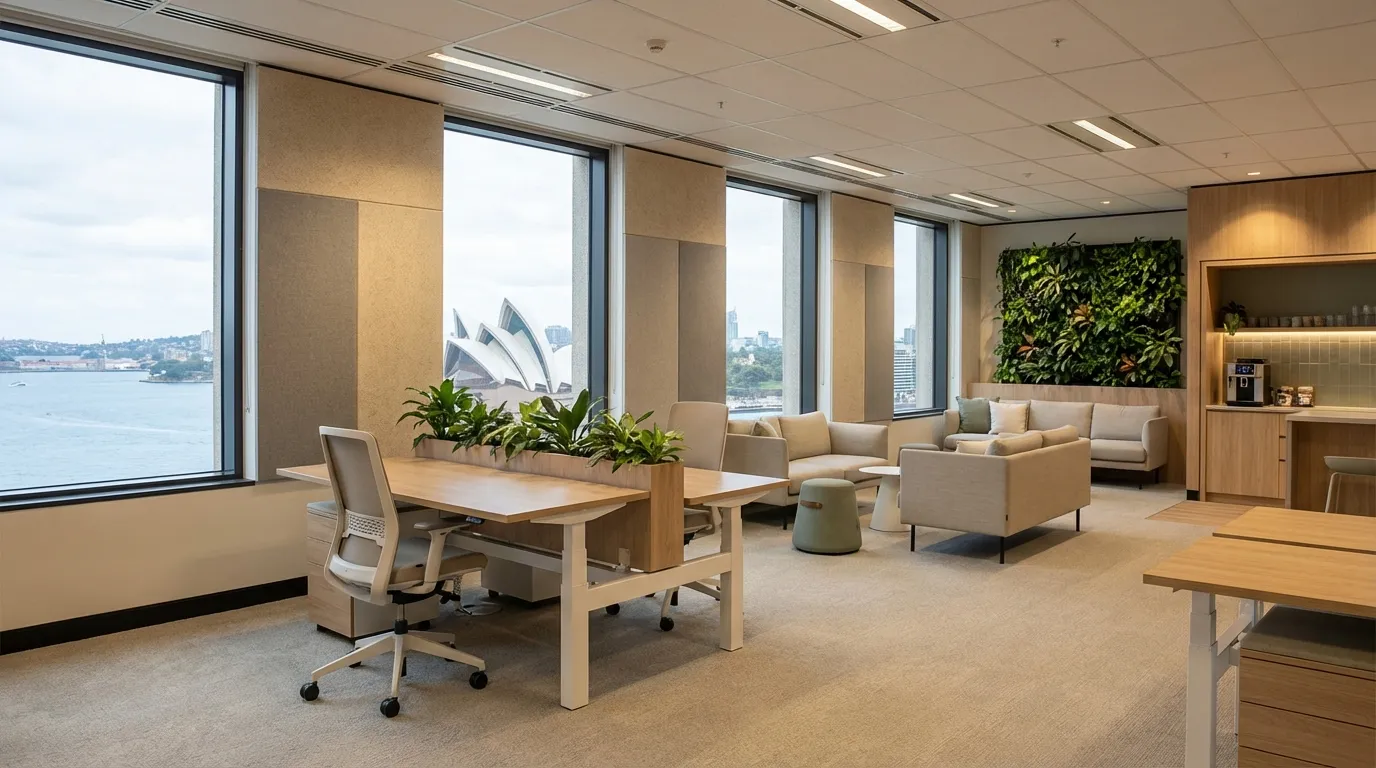
What makes a workspace work goes beyond how it looks. Design choices affect how people feel from the morning through the afternoon (when energy usually drops). Lighting can help people stay alert or slowly wear them out. Sound affects concentration, especially in busy offices with overlapping calls and conversations. Furniture shapes posture, and over time it can affect long‑term health, often noticed only once discomfort shows up. When these elements are handled well, commercial interiors tend to feel more supportive. More human.
This guide looks at key wellbeing factors in modern office design. Lighting, acoustics, posture, and long‑term physical comfort (the things you deal with every day). It explains what research shows, how it applies to Sydney workplaces, and the practical steps to take during an office renovation, with clear direction to help people make better decisions.
Why Lighting Is the Foundation of Healthy Commercial Interior Design
Lighting is one of the most effective tools in commercial interior design, yet it’s still often overlooked. That’s surprising, because when lighting is poorly planned, the problems show up fast. People commonly deal with eye strain, headaches, and that familiar afternoon slump. Over time, this slowly wears down focus and team morale. It’s far from ideal, but it’s still very common in everyday office spaces.
Research from the National Center for Biotechnology Information shows that office workers usually feel most comfortable when lighting levels sit between 300 and 500 lux. Natural light often matters even more than many people expect. It helps workers stay alert and visually comfortable, from the first emails of the morning through late‑afternoon meetings (NCBI).
| Lighting Factor | Impact on Employees |
|---|---|
| 300, 500 lux | Higher visual comfort |
| Natural daylight | Improved alertness |
| Poor lighting | Eye strain and headaches |
In Sydney offices, access to daylight can vary a lot. Tall CBD towers and older buildings with deep floor plates often block window light from reaching key work areas. Desks are often pushed far from windows, and that’s where careful workspace planning becomes much more important.
Instead of relying on a single overhead light, modern offices usually use layered lighting. Ceiling lights are paired with task lamps and focused zones, so brightness is placed where detailed work actually happens. Circadian lighting systems are also becoming more common, with colour temperature shifting through the day to better follow natural light patterns.
For full renovations, lighting works best when it’s planned early. It affects ceiling design, desk placement, team layouts, and performance against energy ratings like NABERS. Flexible layouts matter too, and they’re explored further in this guide on office layout design for high-performance hybrid teams in Sydney. Moreover, businesses can benefit from reviewing the Office Refurbishment Services for Sydney Property Managers article for more insights.
How Office Acoustics Shape Focus and Productivity
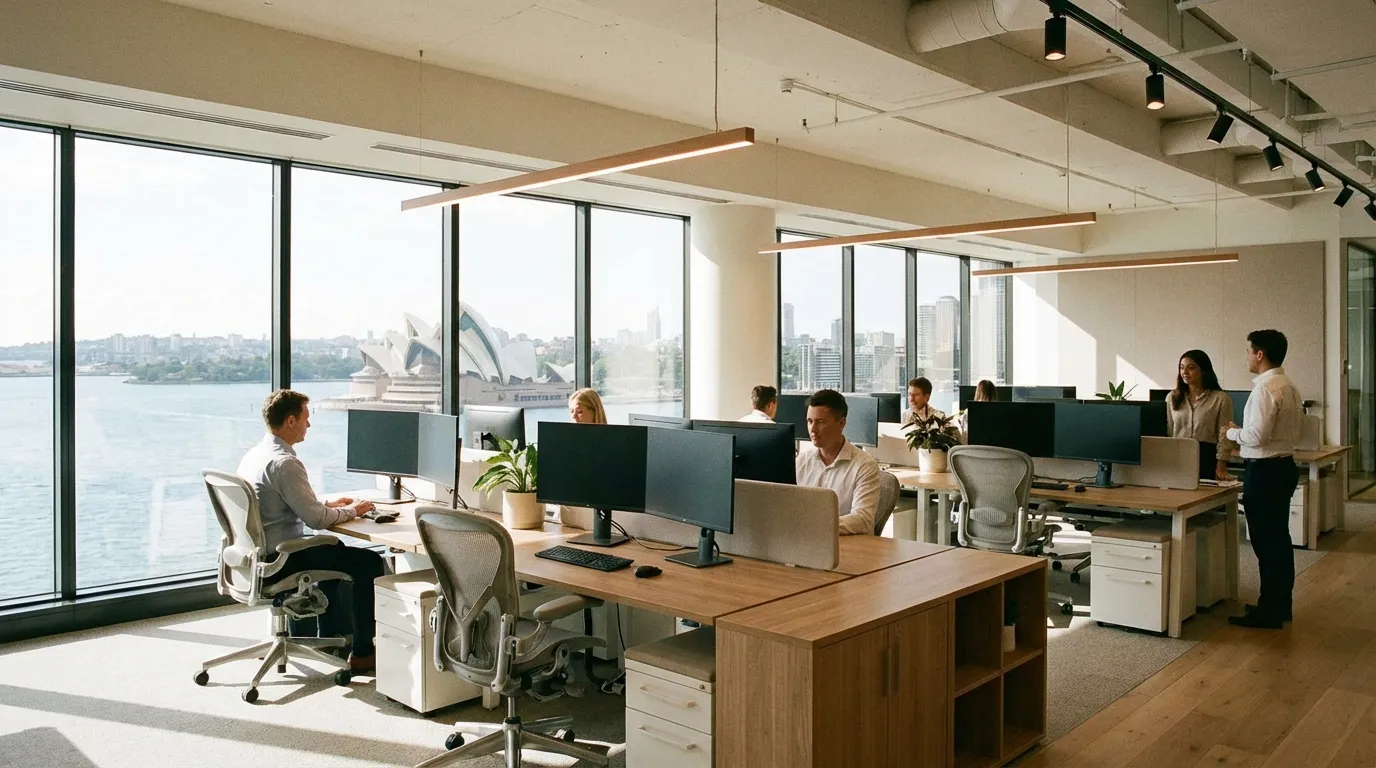
Noise is one of the top complaints in open-plan offices. Phones ring, meetings spill over, footsteps echo, and people move around all day. It adds up over time (most people know the feeling). When sound isn’t handled well, stress usually shows up first. Focus drops, especially during longer tasks. It’s just hard to block out.
Research referenced by IFMA and Leesman shows how big the problem is. 69% of employees are unhappy with office noise, and 77% prefer quiet for focused work (SoftDB). SoftDB is often referenced for workplace design insights, and here the numbers are clear. The message is simple and hard to brush off.
| Acoustic Issue | Effect |
|---|---|
| High background noise | Lower concentration |
| Poor speech privacy | Increased stress |
| Acoustic treatment | 20, 30% productivity lift |
One effective option is acoustic zoning. Different spaces support different types of work, which helps keep daily noise under control. Quiet rooms work well for deep focus like reports or analysis. Enclosed meeting rooms suit calls and video chats. Open areas support teamwork. Some offices also add small booths for short, heads-down tasks. They’re compact, but very useful.
Materials matter too. Acoustic panels, soft flooring, fabric furniture, and ceiling baffles absorb sound over time. Even custom joinery can be designed to reduce sound bounce.
Relying only on layout changes is a common mistake. Without proper acoustic treatment, noise problems often come back, followed by expensive fixes. Frustrating, in most cases.
For property managers with multiple tenants, acoustic upgrades can improve building appeal, cut down complaints, and support flexible, hybrid-friendly offices. One practical example is adding booth spaces tenants can use right away.
Ergonomics: Designing for Long-Term Health and Comfort
Ergonomics usually comes down to one practical idea: shaping the workspace around people, instead of forcing people to adapt to it. In commercial interior design, this often shows up through furniture choices and how teams move through the space during a normal workday. That day usually includes more walking, reaching, and small adjustments than most people expect. Those details add up over time. Quite a bit, honestly.
The global ergonomic products market is growing fast. It was valued at USD 14.5 billion in 2023 and is expected to reach USD 22.3 billion by 2032 (Amra & Elma). This growth is often linked to a stronger focus on workplace health, fewer physical injuries, and better long-term results for both staff and operating budgets.
| Ergonomic Element | Benefit |
|---|---|
| Sit-stand desks | Reduced back pain |
| Adjustable chairs | Better posture |
| Screen positioning | Lower neck strain |
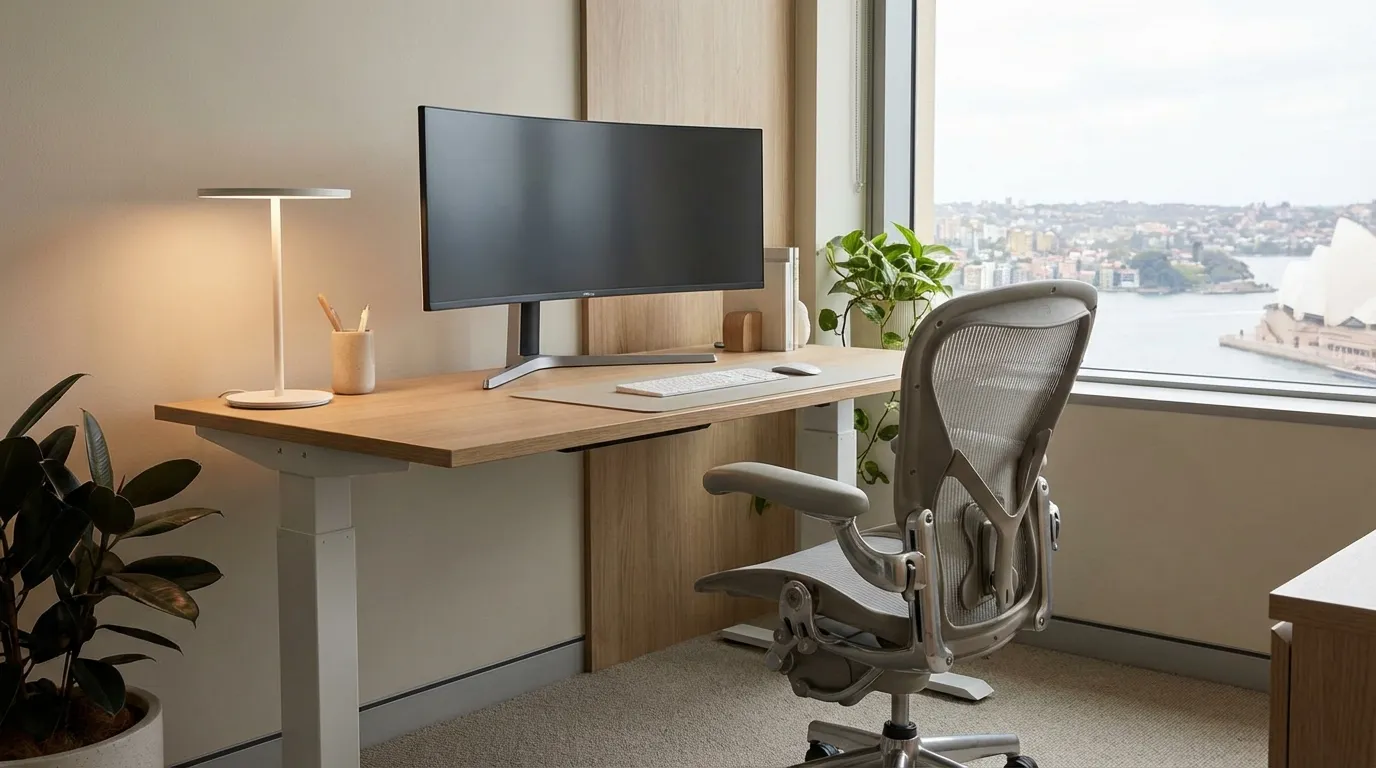
In Sydney offices, ergonomics works best when it’s planned into the fitout from the start, not added later. Power access for adjustable desks, enough space between workstations, and room for chairs and personal items all matter. Layouts designed this way are also easier to change later as teams grow or shift.
Flexibility over time is the real goal with workstation layouts. While that sounds simple, it often makes a clear difference.
Professional services firms updating older offices are a good example. Fixed desks are replaced with adjustable systems, tight walkways open up, and fewer sick days often follow. Daily comfort improves, and people usually notice quickly.
Common mistakes still happen. Furniture is bought without thinking about different body heights. Monitors end up too high or off to one side. These problems are often missed early and show up later as neck strain or avoidable injuries.
For projects with sensitive spaces like clinics or consulting rooms, ergonomic planning matters even more. This is covered in more detail in our article on healthcare office fitouts in Sydney. Furthermore, related insights can be found in the Office Make Good Guide: Lease End Compliance & Refurbishment.
Bringing Wellbeing Together Through Smart Workspace Design
From a property manager’s view, design choices that feel good day to day often keep their value for longer. Lighting and acoustics tend to work best when they’re planned together, with ergonomics included from the start. That’s where end‑to‑end design and construction help most, layout, fixtures, and fit‑out handled as one process rather than in pieces. This approach often places desks where glare is lower and noise is easier to control, something people notice almost right away.
Across Sydney, forward‑thinking features are becoming more common. Smart lighting systems can cut energy use by up to 30 percent, which usually matters in daily operations. Modular walls, pointed to by sources like Ware Malcomb, are useful for adjusting to team changes, and that flexibility often helps during growth spurts.
Biophilic elements add another layer. Plants, natural textures, and outdoor views often support mental wellbeing and create a welcoming feel people sense, even if they can’t quite explain it. Over time, these choices support NABERS ratings, attract quality tenants, and in most cases, reduce churn.
Practical Steps for Sydney Businesses Planning a Fitout
Hybrid work isn’t going away, so planning for change often helps protect your investment. Flexible layouts usually make it easier to grow later. That might sound obvious, but it affects everyday work more than many people expect.
So what usually helps a fitout turn out better than planned? Starting with people. Short, even casual chats about how teams really work often show where things slow down or cause frustration. From my experience, these talks tend to point to what will make the workday easier, not just what looks nice in drawings.
One helpful option is working with a commercial interior design team that knows local approvals and building codes, and can run the project from early ideas through to delivery. Sorting this out early often helps manage costs and keep timelines realistic, which means less stress.
It also makes sense to connect wellbeing upgrades with sustainability goals. Energy‑efficient lighting and durable materials often reduce running costs over time, which feels like a smart balance to me. We wrote more about this in our guide on sustainable office fitouts in Sydney. Additionally, for comprehensive planning advice, see Plan Office Renovation: Step-by-Step Guide for Sydney Businesses.
Common FAQs everyone knows? Yeah
How does commercial interior design affect employee wellbeing?
By shaping light, sound, comfort, and movement, good design can lower stress, help focus and health (maybe), and reduce everyday strain.
Is natural light really that important in offices?
Offices with few windows (sadly common) often feel harder on the eyes, you can feel it. Studies link natural light to alertness and eye comfort, so yes, I think smart lighting can help make up for missing daylight.
What is acoustic zoning in workspace design?
It’s about creating areas with different noise levels. There are quiet, enclosed rooms for focus or calls, plus open zones for teamwork. From my view, spaces rarely sound the same.
Not always, often, many upgrades can be included in a fitout at cost, depending on the project, and they save money as injuries drop, so you miss less work.
When should you think about wellbeing in an office renovation?
Usually, it matters most at the start. Plan early so lighting and ergonomics work well together, not added on later.
Offices that support wellbeing often stand out in Sydney’s competitive market, mostly because people feel better at their desks, you notice it quickly. Commercial interiors affect how people feel at work, and the change is easy to see. To reach that point, businesses look at lighting and acoustics and build ergonomics into the layout, like desk height and chair support. Over time, property managers protect asset value and attract tenants. Thinking about an office fitout or refurbishment? Planning early usually helps, before schedules fill up, starting with simple details like desk height and chair support.
Make Office Fitouts Sydney a preferred source in Google
One click tells Google to surface our articles more often in Top Stories, AI Overviews and AI Mode.