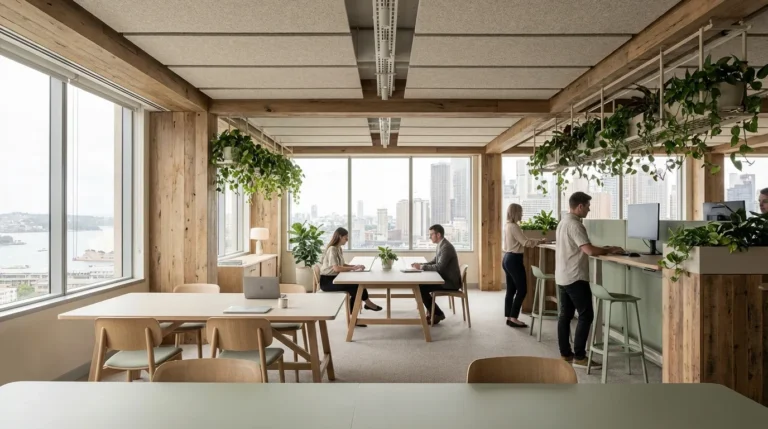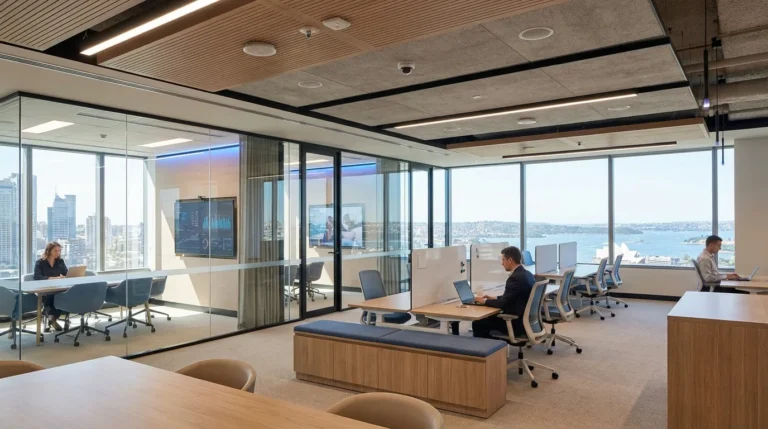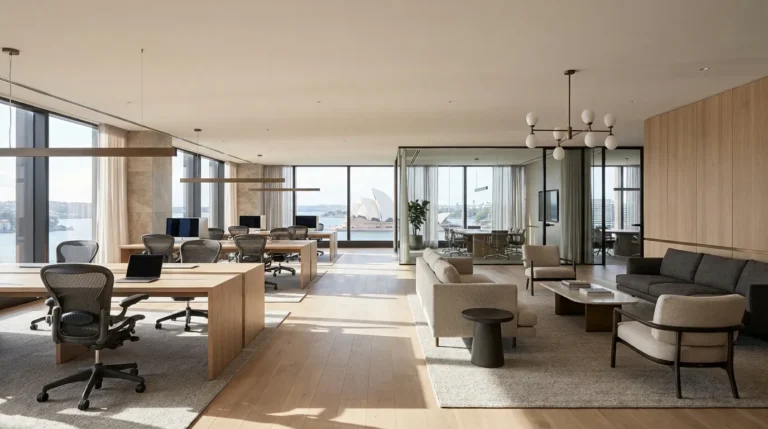
Maximising ROI with Office Space Transformation Sydney
TLDR; Office space transformation in Sydney is now a core ROI strategy as tenants demand quality, flexibility, and value. Upgraded offices with smart design, high-quality fitouts, and hybrid-ready layouts lease faster and command stronger rents than outdated stock. Sustainability and smart technology reduce operating costs while improving tenant appeal. The article highlights that early planning, integrated design and construction, and experienced project management are key to avoiding costly mistakes and protecting long-term asset value.
Office space isn’t just somewhere people show up anymore. In Sydney, it often works as a real business asset that can either support growth or quietly slow things down. That might sound dramatic, but you see it happen every day. When an office transformation is done well, it can lift staff performance, attract better tenants, support daily operations, and protect long‑term value. That’s a big impact. When it’s done badly, the results are usually slower and easier to miss: budgets get chipped away over time, and good‑quality space can sit empty for months without anyone sounding the alarm.
For Sydney businesses and property managers, this feels very real right now. Vacancy is still high in parts of the CBD, with some floors staying empty longer than expected, you’ve probably noticed it yourself. Tenants are more careful and ask tougher questions before signing on. At the same time, staff want more from their workplace, from comfort to flexibility. Expectations have clearly changed. A smart office transformation is one of the most effective ways to improve return on investment, and it’s about much more than appearance.
Rather than starting with theory, this guide stays practical. It explains why thoughtful office transformation improves ROI, what’s working in Sydney today, and how to avoid common mistakes before they become expensive. Early planning, for example, often saves money later. Everything is explained in plain language, without jargon. You’ll see how design choices, construction planning, sustainability goals, and technology come together in real projects, and how experienced project management usually keeps renovations steadier, more predictable, and far less stressful when timelines get tight.
Why Office Space Transformation Is Now a Core ROI Strategy
Sydney’s office market has clearly moved forward. Tenants are generally more selective than they were a few years ago, and they’re looking for quality, flexibility, and value that works in everyday use, not just on a spreadsheet. Buildings that deliver on these points usually perform better, even while the broader market feels softer overall, which many people are noticing right now.
There’s also a clear split forming between upgraded offices and older stock. Recent data points to a growing gap. Premium-grade spaces with strong fitouts are leasing faster, and rents are often staying steady. Older offices without updates, by comparison, are struggling to compete in most cases. Once you see the numbers, the pattern is fairly clear.
| Metric | Latest Data | Period |
|---|---|---|
| Sydney CBD vacancy rate | 13.7, 13.8% | 2025, 2026 |
| Premium-grade vacancy | 9.8% (declining) | Q3 2025 |
| Premium gross rents | $902 per sqm p.a. | Q3 2025 |
| Secondary-grade rents | $508 per sqm p.a. | Q3 2025 |
The table shows how premium spaces perform better across key measures. According to Ben Burston from Knight Frank, this gap is most visible in the Sydney CBD. That result isn’t unexpected.
Sydney has been a bellwether for the health of the wider office market, and to date the recovery has been strongest in the core CBD precinct, linked to the improving performance of the leasing market.
This is where office space transformation makes a real difference. A well-planned upgrade can shorten leasing times and help protect rental income by reducing incentives, which matters to most owners. For owner-occupiers, these updates often support productivity and staff retention, and that tends to show up in day-to-day business results.
Designing Offices That Match How People Actually Work
What often makes the biggest difference to ROI right now is how well an office supports everyday work. Hybrid work isn’t a phase anymore; it’s simply how many teams work. That’s why offices built around long rows of desks often sit half empty, especially midweek, and can frustrate staff instead of helping. It’s a common complaint.
In Sydney, research shows offices are moving away from one‑size‑fits‑all layouts. Space is being reshaped into collaboration zones, quiet rooms, and shared areas, because people work differently depending on what they’re doing. Flexible layouts make that much easier.
| Workspace Metric | Current Data | Source |
|---|---|---|
| Average space per worker | 32.1 sqm | City of Sydney |
| Open-plan space per worker | 10.9 sqm | City of Sydney |
| Flexible workspace allocation | 15.5% | RLB |
Getting the mix right matters. Teams need places to work together, but they also need spaces where it’s easier to focus, which is just as important. When privacy is lacking or noise control is poor, productivity often drops. Unispace Global Workplace Insights found 78% of workers say distractions reduce performance, which helps explain why design choices matter.
Oliver Nichols from Rider Levett Bucknall says office design is now a strategic decision, not just a visual one. From my perspective, results like focus, collaboration, and smart use of space matter more than looks alone.
Organisations thriving today are those that understand hybrid working isn’t about where people sit, it’s about how they connect, collaborate and create value. Workplace design has become a strategic asset, shaping organisational culture and enabling the flexibility expected from the modern-day employee.
Planning a renovation is easier with a clear process. This step-by-step office renovation guide for Sydney businesses explains how layout choices can support practical goals, like smoother team flow or better use of space.
Additionally, property managers can explore Office Refurbishment Services for Sydney Property Managers to align design updates with long-term ROI goals.
Fitout Quality, Leasing Speed, and Common Office Space Transformation Mistakes to Avoid
What people notice first in today’s market is the fitout. It’s no longer optional, and it often shapes decisions faster than expected. Tenants look at several spaces side by side, sometimes all in one afternoon, often starting online, and they make up their minds quickly. When finishes feel worn, layouts seem dated, or joinery looks low quality, conversations tend to stop early, with little chance to turn things around.
CBRE points to fitouts as a strong driver of leasing results. That influence isn’t slowing down, as expectations keep rising and designs continue to look more polished.
The three main trends we are seeing across all key precincts, including the Sydney CBD, are flight to value, protracted decision-making timeframes, and fit outs being critical. On average, tenants are taking 14 months or more for 1000sqm deals.
The expensive part is how fast small mistakes stack up. Delays, approval timelines that were misjudged, service clashes, or materials picked only to save money upfront can seem fine at first. Over time, though, this often leads to rework, longer vacancies, and higher total costs.
In my view, property managers usually see better outcomes when they work with teams who understand approvals, staged works, and the day-to-day reality of tenant coordination. It’s often more complicated than it appears, and that experience shows in the end result.
Sustainability and Smart Technology as ROI Multipliers
Sustainability isn’t just about image anymore. In Sydney, it often shows up directly in running costs and leasing appeal. Energy‑efficient lighting and smarter HVAC design usually cut long‑term expenses and make buildings easier to run, with less manual adjustment and fewer surprises. The savings are real, especially month to month, and that often shifts how owners think about upgrades.
According to the KPMG Commercial Property Advisory team, office investment performance is now driven more by income resilience than capital growth. That shift, I think, puts more focus on lower operating costs and on keeping tenants comfortable over time. Things like temperature, air quality, and noise matter more than they used to. You can feel this change coming up often in leasing discussions.
Smart office technology fits into this shift too. Sensors and access control systems help teams see how space is really used and where waste can be reduced, like empty meeting rooms or areas that sit unused. This matters even more in hybrid offices, where attendance changes day to day.
We covered this in more detail in our article on smart workplace technology trends, focusing on what’s practical now rather than big promises. No hype, just what’s working.
For sector-specific design insights, explore Healthcare Office Fitouts Sydney: Key Design Requirements to see how tailored solutions improve long-term ROI and compliance.
So the key is integration. Technology should support how people work and feel easy to use, without adding friction during the day through extra logins, alerts, or dashboards.
Managing the Transformation Without Blowing the Budget
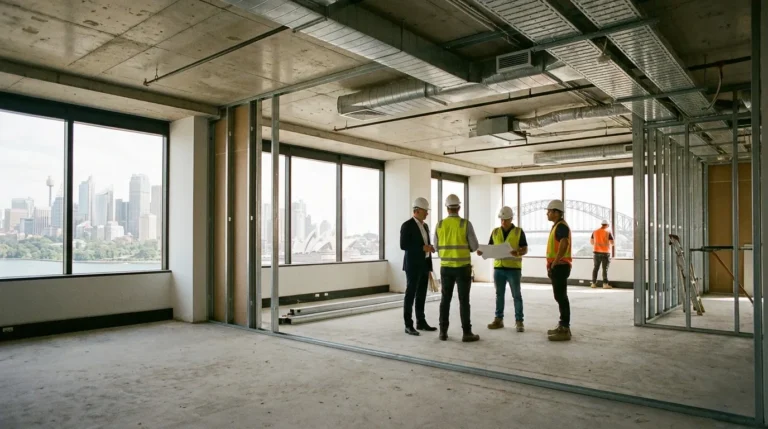
Construction management is often where ROI is won or lost, in my view, especially once real‑world limits come into play. Even strong design can fall apart if the build isn’t run well, it happens more often than teams like to admit. That’s why clear scopes and realistic timelines matter: they help protect the investment and keep choices sensible when trade‑offs start piling up.
End‑to‑end delivery can make this simpler. When design and construction are handled together, issues usually show up earlier, which is a good thing. Seeing problems sooner cuts down variations, keeps schedules on track, and often makes council approvals and accessibility rules easier to manage.
This matters even more in specialised settings. Healthcare and legal spaces have strict, non‑negotiable requirements, and learning from sector‑specific work, like healthcare fitouts, helps prevent costly surprises later on.
Questions That Folks Ask
How long does a typical Sydney office renovation take?
Fitouts and base building work can slow things down, so most Sydney office renovations take about 12 to 24 weeks. The schedule can change based on project size and required approvals. Small details can affect timing along the way.
Is office space transformation worth it in a high-vacancy market?
Yes, it often is. From what I see, updated offices usually lease faster and need fewer incentives. In a tenant-led market, better space gets noticed by tenants and often helps keep income more steady.
Which brings better ROI: design upgrades or full construction work?
It depends, on the building and what you want (it varies). Often, smart design upgrades bring good ROI, especially with focused work (not major), while a full fitout usually makes sense when services or the layout feel old.
I believe sustainable design cuts energy and maintenance costs, often in clear ways. It attracts ESG-minded tenants, makes spaces easier to lease, helps keep them, and ROI shows up through lower bills.
Who should lead the office transformation, tenants or owners?
Either side can lead, but being on the same page matters. Clear communication helps avoid extra costs: owners take care of base upgrades, and tenants handle interior fit-outs.
Turning Your Office Into a Stronger Business Asset
In Sydney, office space transformation is less about following trends or focusing on surface looks, which often age fast. What usually matters more is how well the space works each day for the people using it. When done right, an office transformation can help protect income, lower risk, and support teams every day, which is often what matters most.
For businesses, this often leads to better productivity and a healthier culture over time. Growth can feel easier to handle when the space is set up to support it, and that can really help. Property managers see another clear benefit: quicker leasing and assets that keep their value better, even as market conditions change, which they often do.
The most successful Sydney office renovations usually start with a clear strategy. They closely examine how people work, how buildings run, and costs over the full life of the space. There are no shortcuts. Teams that manage design and construction together, instead of separately, often get better results. This kind of planning may start with mapping workflows and long-term costs before anything else moves forward.
For more end-of-lease advice, review the Office Make Good Guide: Lease End Compliance & Refurbishment, which outlines how refurbishment planning supports long-term transformation ROI.