Office Fitout Cost Sydney: Real Prices and Budget Control
Last updated:
Planning an office fitout in Sydney can feel overwhelming, and that’s pretty normal. Costs shift around, advice doesn’t always match, and many businesses start worrying about budget blowouts (which happens more often than people expect). In practice, office fitout cost usually comes down to a few clear things you can see and manage. There’s no real mystery here. Once it’s easier to see where the money goes, choices tend to feel more manageable, and some of that pressure drops away too.
A good place to start is looking at what Sydney businesses are actually paying right now. This guide shares real numbers, points to where cost traps often show up, and keeps the focus on controlling spend instead of chasing buzzwords. Design choices matter, often more than people think, and construction management can make a big difference in keeping projects on track. Planning ahead also matters, especially with hybrid work and sustainability, which can affect costs over time in ways people don’t always expect.
Business owners and property managers should find this useful. It sticks to clear insight from current Sydney market data, without jargon or fluff.
What Office Fitouts Really Cost in Sydney Right Now
Office fitout costs in Sydney are often higher than in most other Australian cities, and that’s usually expected. Tight labour markets, strict compliance rules, and higher quality expectations all add to the price. Even so, costs still tend to sit within fairly clear ranges based on the level of finish. For most projects, that predictability makes budgeting a bit easier.
Below is a simple snapshot of current cost ranges per square metre. It’s easy to scan and quick to compare.
| Fitout Level | Cost Range AUD per sqm | Typical Use |
|---|---|---|
| Basic refurbishment | $450, $900 | Cosmetic updates and minor upgrades |
| Mid-range commercial | $900, $1,600 | Most Sydney offices |
| Premium fitout | $1,600, $2,800+ | Executive or brand-led spaces |
| Sydney CBD average | $2,599, $2,900 | All-inclusive CBD projects |
A basic refurbishment is often picked for short leases or light updates, where function matters more than style. Mid-range fitouts are common for growing teams that want practical spaces with a clean, polished feel. Premium projects usually spend more on brand presence and day‑to‑day comfort, especially for longer leases.
Location can shift costs quite a bit. CBD buildings often cost more because of access limits and after-hours rules, while business parks and suburban hubs are usually more budget-friendly. Building age also matters, as older services or compliance gaps can add costs, especially in heritage or B‑grade buildings.
Where the Money Goes in an Office Build
This question comes up with most clients, and it’s a fair one. Why does an office build cost what it does? It usually clicks once the budget split is clear. When people see where the money actually ends up, the pricing often stops feeling random. Many just haven’t seen it explained this way before.
Below is how a typical Sydney office fitout budget is usually broken down. There’s no big reveal here. It’s simply where costs tend to land on real projects.
| Cost Area | Share of Budget | What It Covers |
|---|---|---|
| Construction and trades | 35, 45% | Walls, ceilings, flooring |
| Services | 25, 35% | Electrical, data, HVAC, fire |
| Furniture and joinery | 15, 25% | Workstations, storage |
| Design and construction management | 8, 12% | Planning and delivery |
| Contingency and compliance | 5, 10% | Approvals and risk |
Services often catch people out. Power, data, and air conditioning cost more than expected, but they’re needed. Cutting back here often leads to problems later, comfort usually drops first, and safety can follow. Older base building systems also often need upgrades to handle modern demand, which can turn into an early hidden cost.
Good construction management isn’t an “extra.” It acts as protection. Clear oversight helps reduce variations and rework that lead to delays and headaches. For a practical example, this is covered in more detail in the guide on office construction management for stress-free fitouts.
Design Choices That Push Office Fitout Cost Up or Down
The quickest changes to a budget usually come from design, and they often happen without much noise. Small choices add up before anyone really notices, and that’s how costs start to drift. Smart layouts usually keep money focused on spaces people use every day, desks, meeting rooms, and shared collaboration areas, instead of extras that sit unused most of the week, which is where budgets often slip.
Open layouts usually cost less, while lots of partitions push prices up and stretch build times (and they’re rarely fast). Keeping existing walls and services is a simple way to keep costs steady. Custom joinery can look great, but it sends budgets up quickly, so it’s best saved for a few key spots rather than used everywhere. Visual details add up faster than most people expect.
Hybrid work has changed layouts in a big way. Fewer desks are needed, but shared spaces have to do more. As a result, spend per square metre often goes up, even when the total space gets smaller. Acoustic treatments and collaboration zones take a larger share. That’s pretty expected.
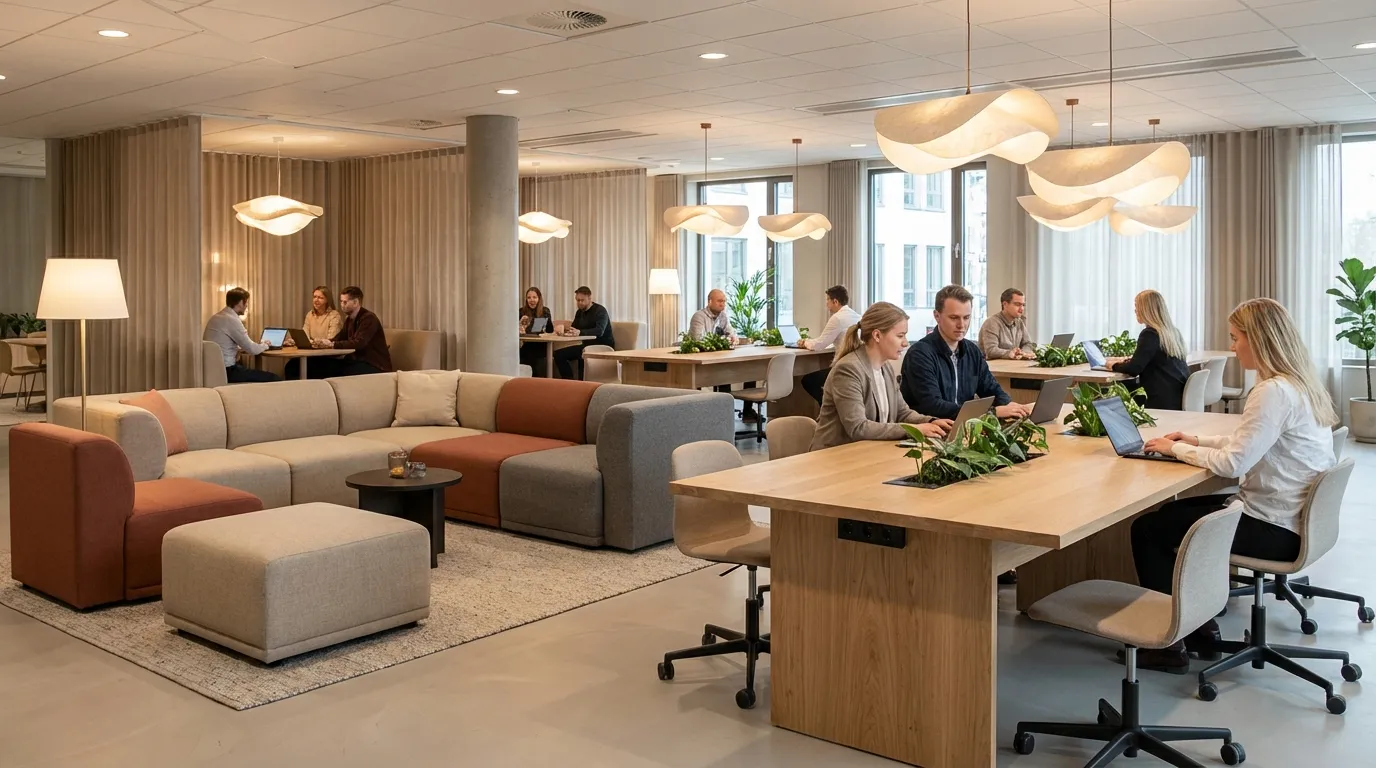
Technology affects costs too. Video meeting rooms and building systems like lighting and access add upfront spend, but they usually make day-to-day use smoother, especially for meetings and entry. Planning these early helps avoid expensive changes later and allows systems to be sized correctly from the start. Less rework. Fewer headaches, which is always a win.
This short video explains how early design planning reduces fitout risk and cost.
If you’re planning flexible teams, we also wrote about office layout design for high‑performance hybrid teams in Sydney here: https://officefitoutssydney.au/office-layout-design-for-high-performance-hybrid-teams-in-sydney/. In addition, our insights on Healthcare Office Fitouts Sydney: Key Design Requirements show how specialised sectors handle similar cost challenges.
Construction Cost Increases and What to Expect in 2026
Costs rarely sit still, and plenty of people around Sydney have felt that already. Construction pricing is still going up, just more slowly than the big jumps of recent years (which were a lot, honestly). Current forecasts point to around 4 percent growth for Sydney in 2026. It’s a steady rise. Not dramatic, but usually noticeable once projects are underway.
| City | Expected Cost Increase 2026 |
|---|---|
| Sydney | ~4.0% |
| Melbourne | ~4.0% |
| Brisbane | ~5.0% |
| Perth | ~5.3% |
That gentler increase is why timing really matters. Waiting too long can end up costing more than planned. Locking in the scope early often keeps budgets more stable and cuts down on headaches. Getting contractors involved early helps too, especially when lining up labour and materials before prices move again. Less guesswork, fewer surprises.
Sustainability is also affecting budgets across Sydney. Energy‑efficient lighting that improves air quality, along with low‑waste materials, is becoming standard faster than many expected. These options usually cost more at the start, but they often reduce running costs later. Worth thinking about if you’re planning ahead. Btw, we covered this in our guide on sustainable office fitouts in Sydney.
How Construction Management Controls Fitout Budgets
What usually makes the biggest difference to fitout budgets is steady coordination on site. Construction management brings the moving parts together, connecting the design ideas with what actually happens day to day. When that role is missing, even strong designs can hit problems and stall fast, and that’s often when costs start creeping up. From my experience, keeping trades on the same page and fixing issues early helps keep things moving, especially on busy sites.
Early involvement is where value engineering works best. It’s not about cutting corners. It’s more about finding smarter build methods or alternative materials that keep quality high while improving efficiency. These decisions matter most before drawings and specs are locked in, when changes don’t cause rework.
Handling approvals and compliance early also eases pressure later. Fire upgrades or access requirements can be expensive surprises if they show up late. Clear timelines reduce downtime, so you and your staff usually lose less productive time. Risk control adds more savings. On many Sydney projects, night or weekend work is hard to avoid, but planning it early helps prevent surprise labour costs and limits disruption for nearby tenants.
Practical Ways to Keep Your Office Fitout on Budget
You don’t have to cut corners to keep spending in check. Real savings usually come from being clear early, right at the start, not halfway through a build. For many Sydney businesses, having a solid plan from day one helps everything run smoothly and often lowers stress along the way.
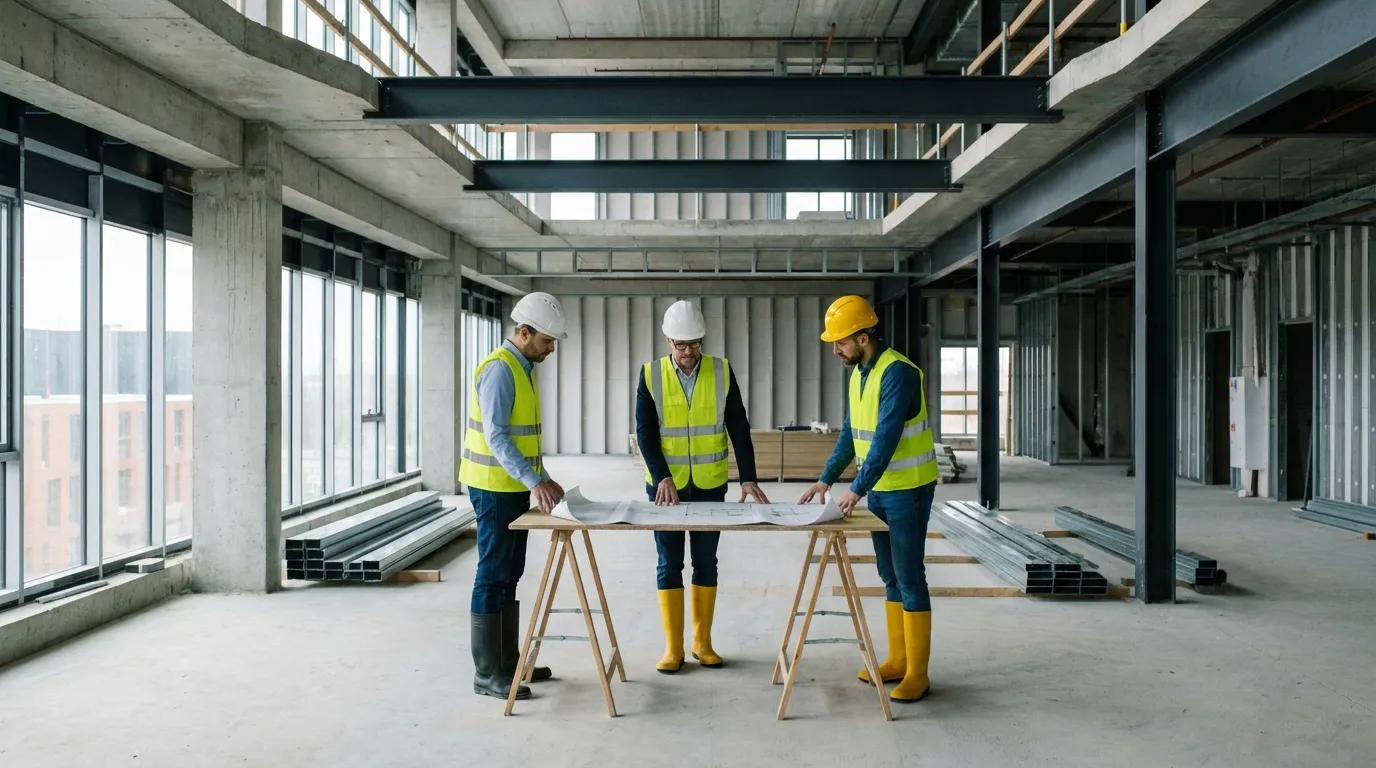
One helpful approach is locking in your scope before design sign-off. Changes during construction are often the biggest cause of budget blowouts, especially once trades are booked, and redoing work is rarely cheap. You’ll quickly see how small tweaks can add up.
Reusing existing services is another place where costs can drop quickly. Even partial reuse can save thousands. Staging the fitout is also worth considering. When timing works, this suits growing teams and fits well with lease incentives. Allowing for contingency matters too, on Sydney CBD projects, 7 to 10 percent is realistic and usually gets used. Working with one team that handles both design and construction can also cut down on miscommunication.
If you manage multiple sites, this is explained in more detail in our article on office refurbishment services for Sydney property managers, with examples that make it easier to use in practice. You might also find useful insights in Maximising ROI with Office Space Transformation Sydney, which explores how space planning ties into long-term office fitout cost savings.
Making Smart Fitout Decisions Moving Forward
Office fitout cost in Sydney doesn’t need to feel confusing. Once the numbers are laid out, control often comes back pretty fast, and that alone can be a relief. When budgets are clear, design choices usually become easier, with less back‑and‑forth. That kind of clarity also helps projects move along more smoothly, with fewer surprises and fewer stress points to deal with during the build.
Looking ahead usually pays off, especially as needs change over time (and they almost always do). In many situations, putting money into features that support everyday work matters more than chasing strong first impressions, which don’t last. Construction management can help keep spending under control and reduce overruns, but decisions still need to match how people really use the space and protect its long‑term value.
Planning an office build? Clear goals and realistic budgets help far more than guesswork. Ask smart questions early and work with a team that understands Sydney’s approvals, labour conditions, and local quirks, they can genuinely help.
A good fitout focuses on value, not just price. When it supports both people and brand, progress tends to stay steady, without stressing over costs.
Make Office Fitouts Sydney a preferred source in Google
One click tells Google to surface our articles more often in Top Stories, AI Overviews and AI Mode.