
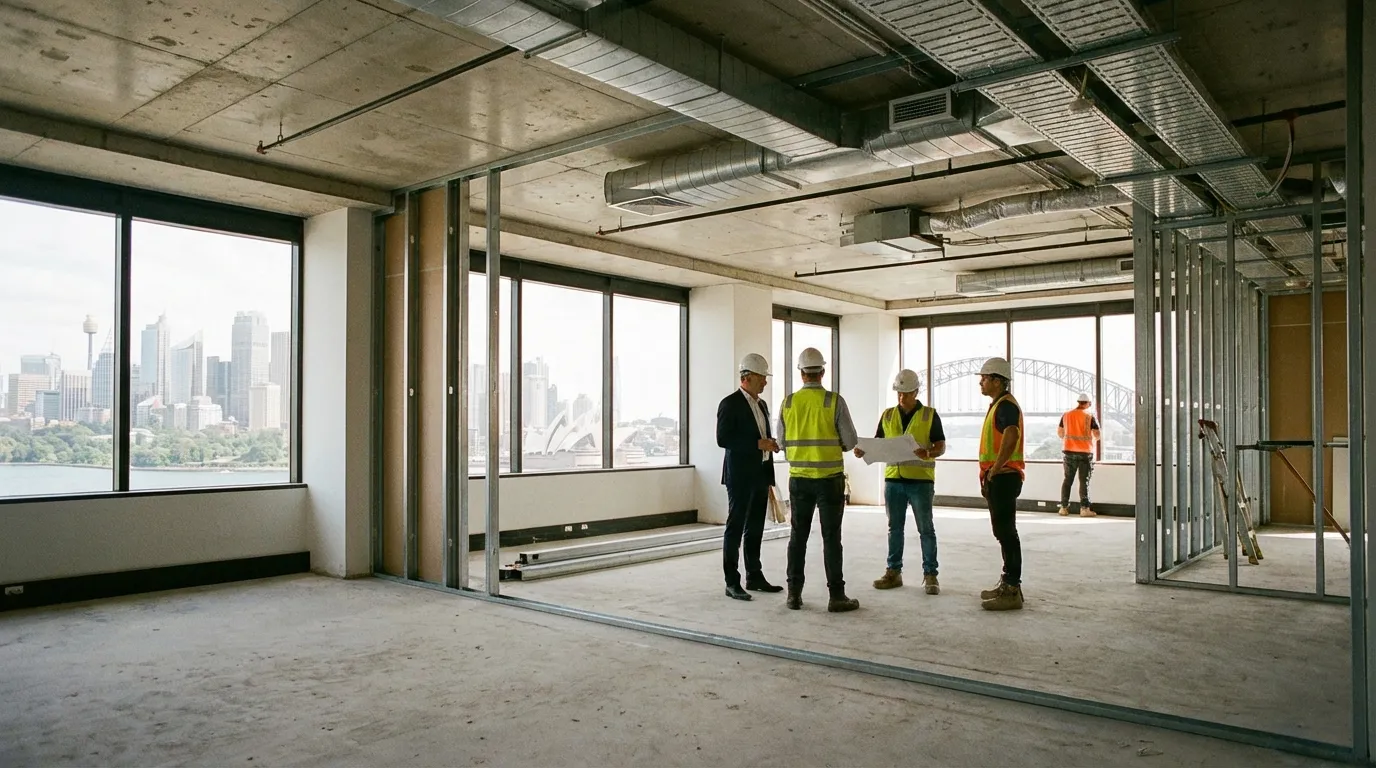
Office Make Good Guide: Lease End Compliance & Refurbishment
TLDR; Office make good in Sydney involves more than simply vacating an office; it requires meeting specific lease obligations to restore the space, often uncovered through careful lease review and detailed inspections. The article outlines a step-by-step process from assessing dilapidations and planning compliant designs to managing approvals, construction, and final sign-off, highlighting how early planning helps control costs and avoid disputes. Key cost drivers include the scope of works, compliance requirements, timing, and sustainability considerations, with integrated design and construction management reducing risk and delays. Actionable takeaways include reviewing lease terms early, budgeting realistically, prioritising compliance and ESG outcomes, and avoiding common mistakes like leaving negotiations or approvals too late.
Ending a commercial office lease sounds simple enough. Pack up, hand back the keys, and move on. Easy, right? Anyone who’s been through it knows that’s rarely how it goes, and most people only realise once they’re already deep into the process. There are usually more steps than expected, and it’s the smaller details that tend to cause the biggest problems. In many cases, it’s the quiet, less obvious requirements that catch people out, not the tasks everyone plans for from the start.
Office make good works are often complex and very time sensitive. Miss one requirement and costs can climb fast, often with little warning and usually at the worst possible time. Delays don’t just slow progress; they can put your bond at risk. Disputes with landlords can drag on for months, pulling attention away from what matters most, whether that’s settling into a new space or closing out the old one without stress.
In Sydney, lease end refurbishment and commercial office handback rules are tighter than ever. Landlords expect spaces to be returned to base building condition, as clearly set out in detailed lease clauses. Compliance is checked closely, down to the small items. Sustainability and safety standards matter more each year and are now expected, not optional. With higher vacancy levels in parts of the city, owners are enforcing lease terms more strictly, with less room to negotiate.
This guide is written for Sydney-based businesses and commercial property managers who want clear answers without jargon. It explains what office make good involves, where refurbishment fits in, and what’s required at lease end, so planning can start earlier and surprises are kept to a minimum.
What Office Make Good Really Means in Sydney
Office make good means returning a leased office to the condition written into the lease. In most Sydney commercial leases, that usually points to the base building standard, not the layout or finishes the tenant added. This detail matters more than many people expect, and it’s often overlooked until late in the move‑out process.
In reality, make good usually involves more than one small job:
- Removing partitions, workstations, and joinery added during the lease
- Disconnecting electrical and data services and leaving them safe for the next tenant
- Reinstating ceilings, lighting, and air conditioning, usually back to the original base building setup
- Repairing walls, floors, and any visible damage
- Meeting fire, safety, and building code rules
Instead of a quick tidy‑up, this work often looks like a managed construction job. It usually needs planning, different trades, and inspections from start to finish. It’s rarely finished in a weekend, and timelines often run longer than first expected.
Many tenants start out thinking make good is just repainting walls and steam‑cleaning carpets. That idea often falls apart once the lease is read properly. Modern leases are usually detailed and strict about removals, and full strip‑out of tenant‑installed fitouts is often required, even if everything still looks fine. That can be a frustrating shock, especially if it wasn’t allowed for in the budget.
Across Sydney, expectations can change depending on the building grade and location. Premium CBD towers usually set higher reinstatement standards, with tight controls around finishes, services, and paperwork. Landlords may ask for proof that licensed contractors completed the work and that it meets Australian Standards. When that proof is missing, bonds may be held back, or extra rectification work organised and charged to the tenant. This happens more often than many realise.
According to Sprintlaw, Australian commercial leases increasingly include strict make good clauses requiring full reinstatement and repair at lease end (Source: https://sprintlaw.com.au/articles/strong-commercial-lease/).
In Sydney, landlords often ask for:
- Independent dilapidation reports
- Evidence of compliance with base building standards, plus sign‑off from building management and fire engineers
All of this has pushed office make good beyond basic maintenance and into the commercial construction space. It’s a clear shift, and one that often surprises tenants as the end of a lease gets closer. For further insights on related services, you can review office fit out solutions that also intersect with make good planning.
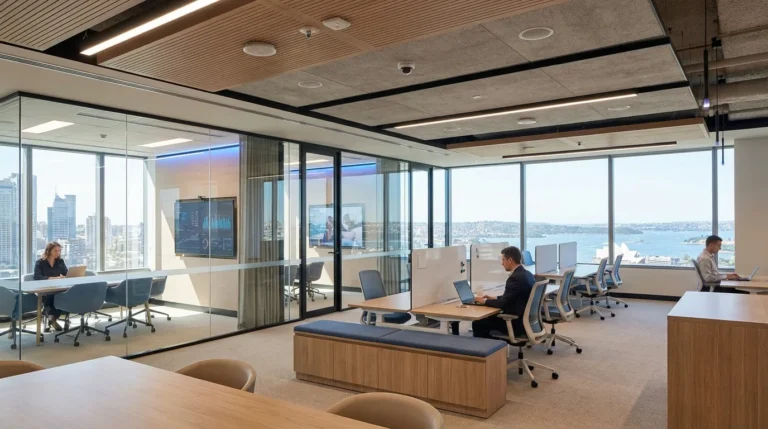
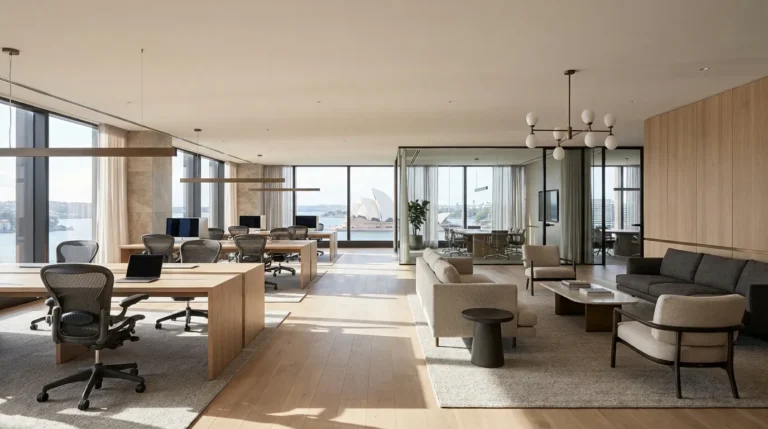
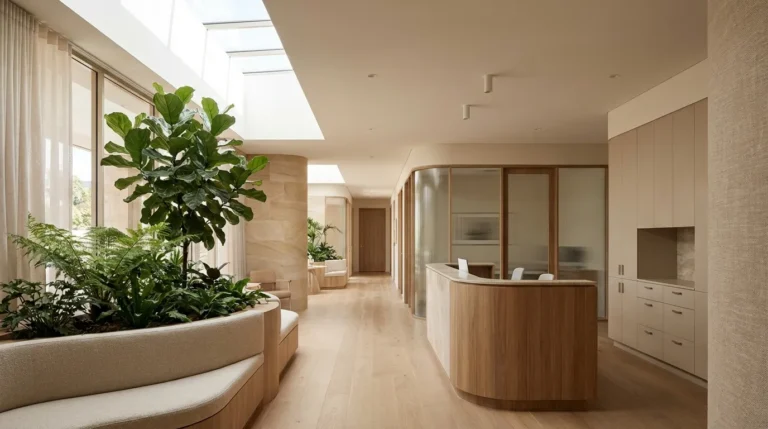
Without upgrades to ground floor lobbies, wellness amenities, third spaces and fitted accommodations many of these assets are likely to remain vacant for an extended period until broader market tightening occurs.
Understanding Lease End Refurbishment vs Make Good
Office make good and lease end refurbishment are closely related, but they are not the same. In real projects, the two often overlap, and that overlap is usually where confusion begins. Most of the time, the difference comes down to purpose rather than the amount of work involved.
Make good is about meeting exactly what the lease says must be done. Refurbishment, by contrast, focuses on improving the space so it suits what comes next, such as attracting a new tenant or updating worn areas. That difference can feel minor at first, but it often becomes clear once planning turns into actual construction.
With make good, the focus stays firmly on lease obligations, sometimes down to small details like removing partitions or reinstating ceilings. Refurbishment sits within a wider plan for the building’s future, which might involve new lighting or refreshed shared areas. Sometimes the difference is clear from the start. Other times, it only shows up once work has begun.
For tenants, make good is usually mandatory and tied to fixed deadlines around lease expiry. Refurbishment is more flexible and is often discussed with the landlord ahead of time, which can reduce pressure and lead to more practical outcomes.
In some cases, landlords may agree to a partial refurbishment instead of a full strip‑out. This leave‑in‑place approach only works when the existing fitout already suits future leasing and doesn’t restrict layout changes or accessibility. It can sound attractive, but it still needs careful review.
Lease end refurbishment may include:
- Refreshing finishes instead of removing everything
- Upgrading lighting, often with energy‑efficient systems in mind
- Improving accessibility or shared amenities like bathrooms or end‑of‑trip areas
- Making the space better match current market expectations, which can affect how quickly it leases
From a cost point of view, refurbishment can sometimes reduce overall spend by cutting back on demolition and waste removal. That saving often comes with a trade‑off, as tenants take on responsibility for meeting landlord standards. This is where professional advice helps before suggesting any alternative.
Any agreement must be approved in writing. Verbal approval is almost never enough.
A simple way to think about it is this: make good usually means removing what was added, while refurbishment focuses on getting the space ready for its next use.
Professional office make good providers often handle both options by reviewing the lease, inspecting the site, coordinating consultants, and recommending a clear, cost‑effective path forward so decisions aren’t based on guesswork. Additional resources about service coverage can be found in Sydney office locations for regional specifics.
The Step-by-Step Office Make Good Process
A six‑to‑twelve‑month head start often makes the biggest difference. For a commercial office handback, starting early usually keeps things smooth and avoids a last‑minute rush. Below is a clear, step‑by‑step look at how this usually runs on Sydney office make good projects.
Step 1: Lease Review
Hidden obligations often catch people out, like having to return spaces to base colours or upgrade services changed during the tenancy (something you probably didn’t expect). The lease usually sets the rules, but clauses can vary a lot (which is frustrating), and the wording is often strict. Some leases require full base building reinstatement, while others allow different options. A professional review can help you spot:
- Scope of works
- Approvals, plus deadlines and penalties tied to them (yes, those matter)
Step 2: Site Inspection and Dilapidation Assessment
Independent reports matter most here. Many landlords order one, and tenants are smart to get their own (I think it’s worth it). The inspection compares the current condition with the lease start and lists differences clearly to avoid guesswork. Having reports on both sides helps tenants push back on unfair claims, with scope agreed early, before work begins.
Step 3: Design and Compliance Planning
This stage brings together a few key checks:
- What needs to be removed or put back
- Fire, safety, and access compliance
Often, this is where design and construction teams add real value (they think). They check that reinstated layouts match the drawings and current codes, which usually helps avoid issues. Small details can make the difference.
Step 4: Approvals and Scheduling
Delays often begin with approvals, and they usually matter, a big deal. Because work happens after hours or on weekends, alignment matters. When teams align early, delays from lift bookings and noise restrictions are often avoided.
Step 5: Construction and Make Good Works
This step includes demolition and disconnecting services, usually first.
It covers repairs and reinstatement.
Skilled contractors plan the order to keep you safe on site and downtime low.
Step 6: Final Inspection and Sign-Off
The landlord does a walkthrough (quick look). See any issues? They’re usually fixed before the bond is released.
Cost Drivers and Budget Control for Make Good Works
Office make good costs in Sydney can change more than many people expect. Space size matters, but location, building grade, and lease terms often carry just as much weight. When combined, these factors can add up fast, often earlier than planned.
Some costs attract the most attention because they’re hard to see coming. Older building services can hide issues. Fire system upgrades are another area where the scope can quietly expand. After-hours work, waste removal, and how much of the existing fitout needs to be removed also affect the final number.
Extra costs can feel like they come out of nowhere, which is frustrating. Asbestos, unrecorded service changes, or damage to base building elements often only show up once work begins, and that happens more often than people expect. Early, detailed inspections usually help by spotting risks before they grow.
Makegoods Australia points out that early planning and a clear scope have the biggest impact on controlling end-of-lease defit costs. Their checklist is useful for seeing where budgets often drift (Source: https://www.makegoods.com.au/the-ultimate-checklist-for-end-of-lease-office-defits/).
Cost control usually comes down to timing and coordination. Avoiding last-minute work helps. Using one contractor across trades can cut repeat effort. Leave-in-place options and recycled materials, where allowed, can also reduce pressure. A design and construction partner can model costs early, which often leads to fewer surprises and steadier cash flow.
Sustainability and ESG in Office Make Good Services
Sustainability is rarely optional now, especially for office make good projects in Sydney. In most cases, landlords ask for waste reports and prefer low‑impact materials during make good works. This is most noticeable around planning approvals and final inspections, which can easily slow a project if these points aren’t covered properly.
Eco‑friendly make good practices often include:
- Recycling demolition waste wherever possible
- Reusing approved joinery (this usually depends on building rules)
- Using low‑VOC paints and adhesives
- Reinstating energy‑efficient lighting, especially in older tenancies
When managed well, these steps can divert up to 80% of waste from landfill, which adds up fast across multiple projects. They also lower embodied carbon, something large asset owners and institutional landlords are watching more closely now.
DY Constructions notes that sustainable fitout and defit practices are becoming standard expectations in 2025 and beyond (Source: https://www.dyconstructions.com.au/blog/top-office-fitout-trends-2025/).
Managing Risk, Compliance, and Disputes
Disputes often start when tenant and landlord expectations don’t line up, especially near the end of a commercial office handback. That final stretch is usually the hardest, right when everything should be wrapping up. Delays and disagreements often appear in the last few weeks and can slow progress more than expected.
The issues behind this are familiar:
- Unclear scope interpretation (who’s responsible for what, exactly)
- Missed approvals
- Non-compliant works
- Poor or incomplete documentation
These gaps create confusion, stretch timelines, and make final sign-off tougher than it needs to be. Clear evidence and written sign-offs usually fix issues faster and keep work moving.
So how can risk be reduced? Keeping written records of approvals helps. Using licensed, insured contractors can also reduce problems.
According to the Property Council of Australia, compliance failures are a leading cause of bond disputes in commercial leasing (Source: https://www.propertycouncil.com.au/).
The Role of Integrated Design and Construction Management
Office work often feels smoother when one team manages everything from start to finish. With fewer handovers, there’s usually less juggling and fewer surprises, which helps keep things steady. Updates don’t bounce between companies, and decisions are simpler to follow.
Integrated services usually include:
- One clear point of contact for the whole project, so it’s obvious who to call
- Design and construction choices that stay connected instead of drifting apart
- Approvals that move quicker with less back-and-forth, sometimes saving weeks
- Cost control that stays tighter as the work moves along
This setup often cuts down handover mistakes between consultants and contractors. It also lets teams check design ideas against real site conditions early, not later when changes cost more.
In Sydney, this approach is becoming a common choice for complex CBD assets. Close coordination with base building systems matters here, and these high-risk spaces are often easier to manage this way.
High-quality prime assets are achieving strong leasing outcomes, and we expect rental growth to accelerate in 2026, 27 as the supply pipeline diminishes.
Common Mistakes to Avoid at Lease End
Even experienced businesses often slip up with office make good, it happens a lot. Early oversights can seem minor, but they often grow into bigger problems later, sometimes with little warning.
So what usually causes trouble? Problems often show up when planning starts too late, when small works are assumed to be enough (they usually aren’t), or when fire and safety compliance is missed. A smart move is to avoid picking the cheapest quote if the scope isn’t clearly defined.
Another common mistake happens when move‑out dates and make good works don’t match up, leaving no buffer. This can lead to access issues, repeated handling of work, and higher costs.
Future Trends in Office Make Good and Refurbishment
The biggest shift right now is flexibility. Hybrid work is often guiding teams toward layouts that can change over time instead of fixed desk plans, and you’re likely already seeing this happen. Also, smart building systems are working more closely together, while accessibility compliance standards are higher than before and often stricter. This usually leads to more negotiated handbacks at the end of a lease. Data‑driven decision making is also growing, with digital twins and asset data helping landlords and tenants decide if existing fitouts should be removed or kept, which often saves time.
Common FAQ Questions
What is included in office make good services?
Office make good services usually cover fitout removal, repairs, base building services reinstatement, and compliance sign-off in most cases. The exact scope often depends on your lease, so it can differ for you. Some providers also handle approvals, inspections, and process reporting.
How long does a commercial office handback take?
Exceptions do happen, especially on larger or more complex sites where approvals slow things down or work is staged. Still, most well‑run projects usually finish in about four to eight weeks, which is pretty common.
Can I negotiate my make good obligations?
Yes, you usually can negotiate, it happens a lot. Partial refurbishments or leave‑in‑place deals can work, but you need clear documents and written approval each time.
Pricing changes with project size and scope; early check-ins usually help by clearing up budgets early and lowering money risk as details become clearer.
Do I need council approval for make good works?
Most make good works need approval from building management (standard). Some changes, especially to fire systems (a big deal), often also need council approval or a certifier.
Putting Your Office Handback Plan Into Action
Office make good doesn’t need to feel overwhelming. When planning begins early and the right support is in place, the process is usually clearer and much more predictable, which is often a relief. Most stress shows up when decisions are left too late, not because the work is difficult, but because time runs out.
What often helps most is dealing with the practical basics first, then working through the details:
Key takeaways:
- Start early and spend real time reviewing the lease details, because the fine print usually shapes everything else
- Understand how make good is different from a refurbishment; they’re often mixed up, and that confusion can cause problems
- Put compliance first, then look at appearance, this order usually avoids rework
- Control costs by locking in a clear scope and using integrated delivery, so extra items don’t quietly creep in
- Work with experienced Sydney-based professionals who understand local landlord expectations and standards
A proactive approach also helps protect your business reputation. Smooth handbacks often improve landlord relationships, which can matter more than expected in future lease discussions. For example, a well-managed full-floor handback can help make the next round of negotiations easier.

5 Comments
Comments are closed.