Fitout Builder Sydney: How to Choose the Right Partner
Last updated:
Choosing a fitout builder is a big decision, mainly because it usually affects much more than how an office looks at the end. It often shapes how a team works every day (and that’s usually easy to notice). Just as important, it affects how smoothly the project runs, especially from one day to the next. In Sydney, the number of choices can feel endless, sometimes too many to sort through without help. Most fitout companies promise the same things: strong design, fair pricing, quick delivery. But once work starts on-site, often within the first few weeks, the real differences tend to become clear.
That’s where this guide helps. It’s made for Sydney businesses and property managers who want advice they can rely on, not marketing talk. There’s no jargon and no sales pitch (honestly). Just practical information that’s meant to be useful. Simple and helpful, in my view.
Instead of focusing only on what looks good on paper, the guide looks at what usually matters most on-site. It covers experience, pricing, sustainability, and project management, plus how problems are handled during the build. It also looks at newer expectations like hybrid workspaces and smart, compliant technology, things most offices now see as standard.
By the end, readers should know which questions to ask and how to spot red flags early, before signing anything. The aim is more confidence, and a clearer idea of how to choose a fitout company that works like a real partner day to day, not just another contractor.
Proven Experience in Sydney Fitout Builder Projects
Building in Sydney can be tricky, to be honest. Councils don’t all work the same way, timelines are often tight, and building managers usually enforce more rules than you expect. A fitout builder with real Sydney experience knows these limits and plans around them instead of pushing back. That’s often why projects run smoother on site, especially when approvals stall or access windows suddenly get smaller.
The commercial fitout market is growing fast. Australia’s interior fit-out market was valued at USD 3.22 billion in 2023 and is expected to almost double by 2029. That growth is exciting, but it also brings stronger competition and usually makes poor build quality easier to notice.
| Metric | Value | Year |
|---|---|---|
| Australia interior fit-out market size | USD 3.22 billion | 2023 |
| Projected market size | USD 5.91 billion | 2029 |
| Sydney CBD office vacancy rate | 13.7% | 2025 |
| Average office fitout cost per sqm | AUD 2,453 | 2025 |
With high vacancy rates, businesses want offices that actually bring people back, not just spaces that look good in photos. This pressure raises expectations around layouts, finishes, and how spaces work day to day. The Cushman & Wakefield research team notes:
The Australian office market is on the path to recovery, with investment activity and occupier demand stabilising across key CBDs. While Sydney and Brisbane are leading the rebound…
One helpful step is to check a builder’s Sydney track record. You’ll often see that CBD towers, suburban business parks, and heritage sites come with very different risks, and they’re rarely interchangeable.
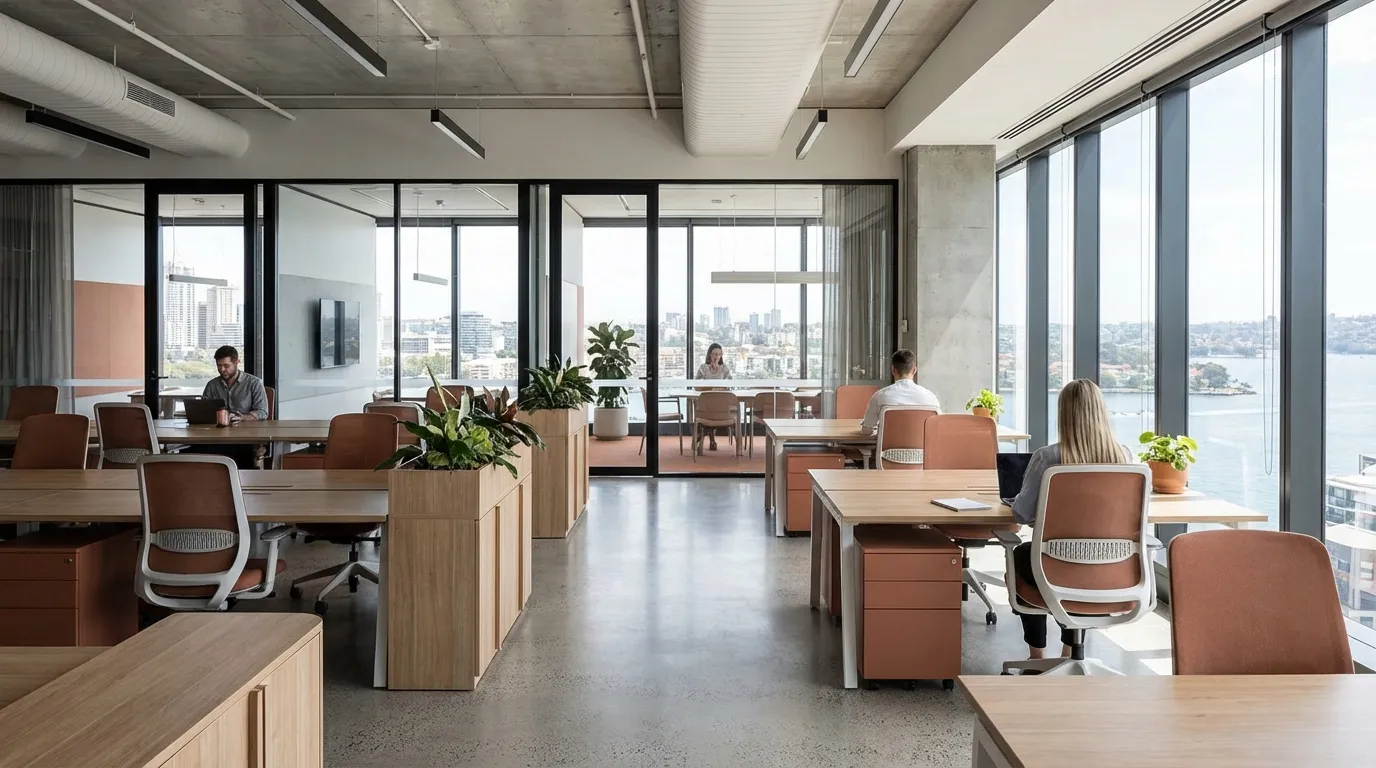
End-to-End Fitout Services from a Trusted Fitout Builder
Many fitout headaches start when too many parties are involved. One group designs and builds, another handles approvals, and when problems show up, no one is clearly responsible (most people have seen this happen). In my experience, this setup often slows things down instead of helping.
What usually works better is a fitout company that offers true end-to-end fitout services. Design, construction, approvals, and project management are handled by one coordinated team, often working from the same office. In practice, this is much simpler. Communication is clearer, fewer details get missed, and decisions tend to move faster, instead of getting stuck in weeks of back-and-forth where delays often start.
This approach is especially helpful for property managers looking after multiple sites. There’s already plenty to juggle. Services like office refurbishment support for Sydney property managers show how integrated teams can reduce stress and help approvals move forward.
Good end-to-end builders also share clear timelines and cost plans upfront. They explain each stage so surprises are less likely later. Risks don’t vanish, but they’re flagged early, often before becoming real issues. This kind of transparency matters, especially as construction costs keep rising, as noted in the widely referenced JLL Australia Fit-Out Cost Guide.
For a more detailed look at sector-specific requirements, check Healthcare Office Fitouts Sydney: Key Design Requirements, which outlines how fitout builders adapt to different compliance needs.
Cost Transparency and Realistic Budget Control
Price matters, but the cheapest quote often ends up costing more than expected. That usually shows up through hidden exclusions, rushed work, constant variations, or loose planning. These problems tend to hit halfway through a build, right when changes start adding up and the budget feels tight.
What sets a reliable fitout builder apart is clear cost breakdowns in plain language. You can see exactly where the money goes and why. They usually take time to explain allowances too, because that’s where stress often begins. When funds are limited, they’ll help decide what’s worth spending on now and what can realistically wait.
Problems show up more often with vague quotes, missing scope details, unrealistic timelines, or assumptions that never get written down. How are variations handled? How often are cost reports shared? Those answers say a lot about daily work habits.
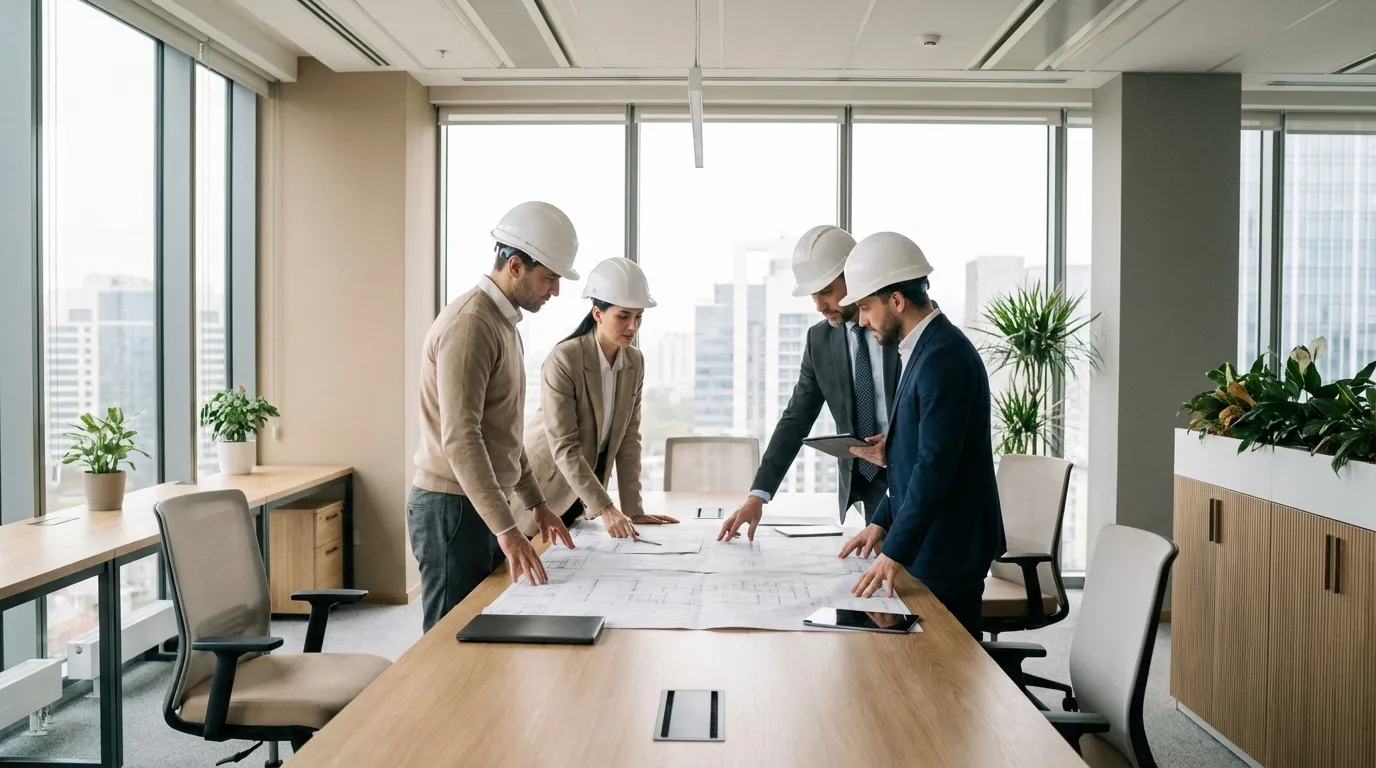
Strong project management also matters. Builders who organise trades well avoid delays, and delays often lead to extra costs. We also covered how structured office construction management helps keep projects moving without budget drift.
Sustainability, Compliance, and Future-Proof Design
Sustainability usually isn’t optional anymore. In Sydney, many buildings now need to meet minimum NABERS or Green Star targets, and that pressure often shows up early, especially during approvals. A fitout builder needs to understand how these standards work on real sites, not just in documents. In my view, when that understanding is missing, it becomes clear pretty quickly.
According to DY Constructions’ leadership team:
Workplace design is evolving, with 2025 shaping offices that prioritise flexibility, sustainability and technology to improve performance and employee satisfaction.
In practice, this means using low‑VOC materials, energy‑efficient lighting, and smart HVAC planning that’s correctly sized and zoned. Without hands‑on experience, builders can miss compliance checks or deliver spaces that feel dated within a few years. Sustainability can also help protect long‑term value. There’s a guide to sustainable office fitouts in Sydney that explains how eco choices can reduce power use and maintenance costs over time, which you usually see in monthly bills.
Hybrid Workspaces and Smart Office Technology
Smart tech that feels added on later is often the biggest risk, so planning early really matters. Hybrid work is now the norm, and offices need to support both focus time and teamwork, with the day‑to‑day flexibility most teams already expect. A good fitout builder plans for that shift, not against it, in my view.
The Stemar Group design team notes:
As hybrid work becomes the norm across Australia, office design in 2025 is all about flexibility, freedom, and function.
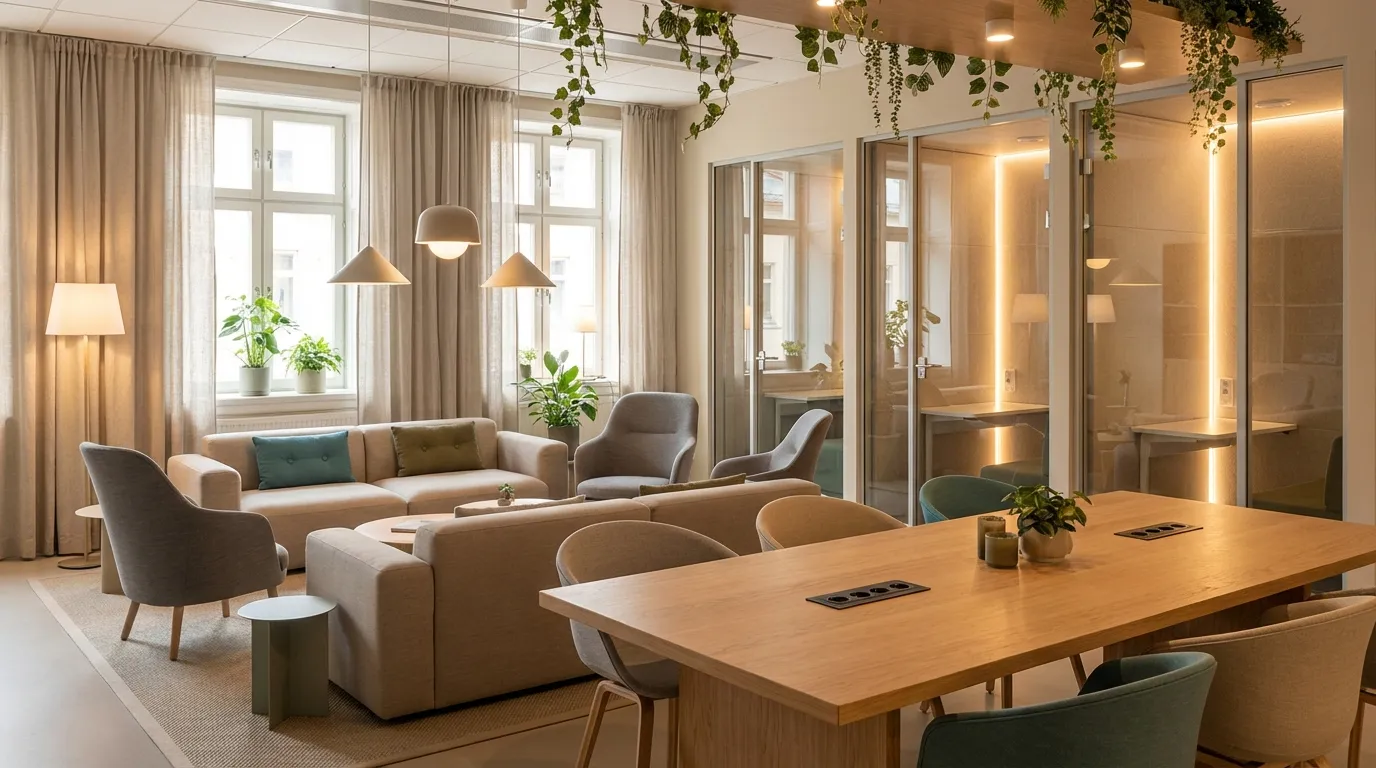
It often helps to plan movable walls, modular joinery, and smooth tech integration from the start. Smart offices usually combine AV, access control, and sensors that show how rooms are used, so those questions come up early.
Common Questions People Ask
Common Questions, Answered
How do I compare fitout builders in Sydney?
I usually start by looking at experience, since it tends to tell you a lot. Past projects and client feedback help, and it’s smart to check if proposals lay out the steps you’ll follow.
What services should a full fitout company offer?
Design-and-build with approvals handled, so paperwork usually isn’t chased. Hands-on project management that often lowers risk and saves time.
How long does an office fitout usually take?
In Sydney, most office fitouts run 8, 16 weeks and often depend on the scope and how well the planning is done.
Are sustainable fitouts more expensive?
Not always, some choices cost more upfront (it happens), but they can cut energy use and lower maintenance costs over time (for you).
Do I need council approval for an office fitout?
Often yes, but it depends. Your local fitout builder usually handles council and building approvals as part of the job, so you don’t need to, and it’s done while work is underway.
Making the Right Choice for Your Sydney Fitout Builder
One of the biggest parts of choosing a fitout builder is how much local experience affects the final result. In Sydney, that often comes down to trust, clear communication, and real, hands-on knowledge, different councils, different rules, and lots of details to manage. Clear pricing is just as important, especially when designs change, which is pretty common once work is underway.
It also helps to slow things down a bit. Asking questions early and taking time to look at portfolios from similar Sydney office projects can make a big difference. What happens when a company really listens, explains options in simple terms, and doesn’t push quick decisions? That calm approach is usually a good sign.
The right partner helps from the first idea through to handover, keeping the budget on track and shaping a workspace people actually enjoy using every day. For me, that’s what matters most, like a layout that supports how the team really works.
Make Office Fitouts Sydney a preferred source in Google
One click tells Google to surface our articles more often in Top Stories, AI Overviews and AI Mode.