Office Renovation Sydney vs New Fitout: Choosing the Right Approach
Last updated:
Sydney businesses are taking a closer look at how their offices really work day to day. Some teams choose to stay put and improve what they already have, often because the location still suits them. Others decide to move completely, using a new space to rethink things like layout, lease terms, and how people work together. Different paths, same decision. It sounds straightforward, but it can have real effects. Is an office renovation the right move, or does a full new office fitout better fit where the business is right now?
For business owners and property managers in Sydney, this choice affects cost, timing, staff experience, and long‑term value. With high vacancy rates and strong landlord incentives shaping the market (something many people are already aware of), there’s rarely a single right answer. It usually comes down to goals, lease details, and how teams actually use the space.
This guide explains the differences in clear language. It compares office renovation Sydney projects with new office fitout options, looks at real costs, and explains how local conditions come into play. Sustainability, hybrid work, technology, and compliance are covered too, since these details are often missed. Less guesswork, more clarity.
Understanding the Sydney Office Market Right Now
What’s happening in Sydney right now matters when choosing between a commercial office renovation and a new office fitout, because the market has changed a lot. Over the past few years, things have moved faster than many people expected. Vacancy rates are higher than normal, and that pressure is hitting secondary buildings the hardest. Premium office space, though, is still drawing interest and hasn’t slowed in the same way, which says a lot (and is a bit interesting, honestly).
CBRE Australia reports that Sydney CBD vacancy reached 13.7% in the first half of 2025, with A-grade vacancy rising as well. That helps explain why landlords are refurbishing more and being more flexible. In many cases, this leads to better incentives, fewer roadblocks, and deals that are easier to shape around what tenants actually want. (CBRE Australia).
| Market Metric | Figure | Period |
|---|---|---|
| Sydney CBD vacancy rate | 13.7% | H1 2025 |
| A-grade vacancy | 17.6% | Mid 2025 |
| Landlord incentives | 35.7% | Q2 2025 |
These conditions are also changing how decisions get made. Many businesses are choosing fitted or turnkey offices to lower upfront costs and move in sooner. CBRE says 97% of Sydney CBD tenants look at fitted spaces before signing, so speed and simplicity often matter more, especially early on. (CBRE Commentary).
Larger occupiers increasingly seek high quality, contiguous floors that support collaboration and workplace experience, and return to office policies have not been uniform across sectors or precincts. As a result, demand has concentrated in premium stock and occupiers have been relocating from secondary space into prime floors that offer superior amenity and connectivity. Landlords are accelerating practical upgrades, reconfiguring floorplates and offering turnkey fit-out solutions to meet occupier requirements.
When an Office Renovation Makes the Most Sense
An office renovation Sydney project usually makes the most sense when a business plans to stay in the same place for a while. This often applies to teams with a secure lease, reliable transport nearby, or a building that is still structurally sound and has plenty of life left (even if it’s not brand new). With a solid base like that, improving the existing space is often a smarter move than relocating.
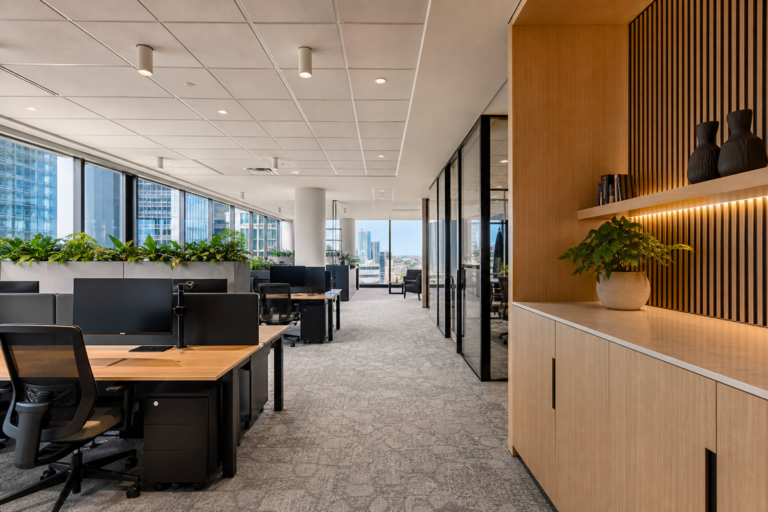
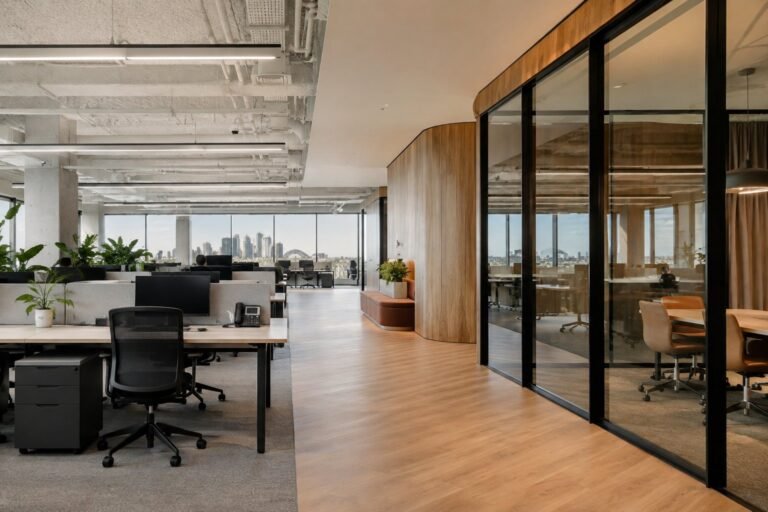
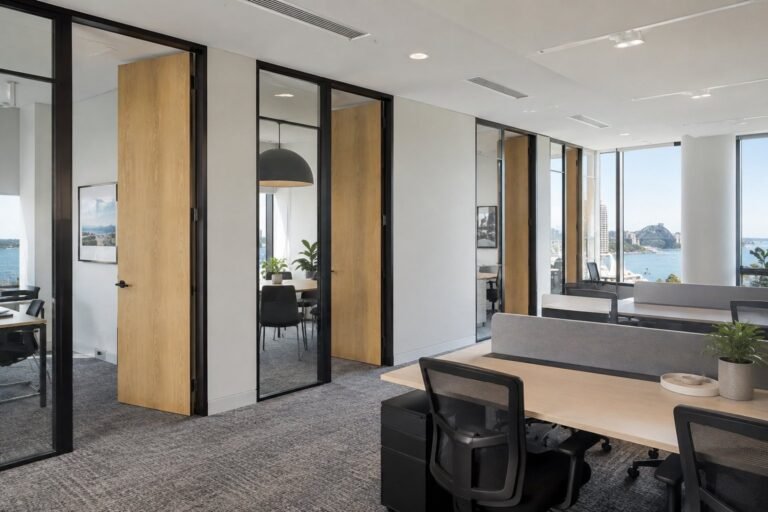
Renovation is really about using the space you already have in a better way. This can include changing layouts, updating finishes, improving lighting, or adding modern joinery, often without touching the main structure. Kitchens, meeting rooms, and end of trip facilities can also be upgraded while keeping the same footprint. Each update may seem small on its own, but together they usually make the office feel much better to work in.
Cost and timing are two big reasons businesses choose renovation. A commercial office renovation usually costs less than a full new fitout and is often completed faster, which helps limit disruption. Many projects can also be staged, so teams keep working while changes happen, reducing downtime and stress. For more detail, see our Plan Office Renovation: Step-by-Step Guide for Sydney Businesses.
Sustainability is another reason renovation is often chosen. Reusing materials, keeping existing services, and improving energy efficiency helps reduce waste and supports ESG goals. This also fits with what many tenants now expect. We covered this in more detail here: sustainable office fitouts in Sydney.
Common renovation upgrades include:
- Reconfiguring space to better support hybrid work, especially where flexibility is needed most
- Adding acoustic treatments where focus really matters, particularly in open-plan areas
- Improving accessibility and compliance to meet current standards
- Refreshing branding through colour and custom joinery, which often makes a strong visual difference
The Sydney office market remains fundamentally plagued by historically high vacancy rates and persistently subdued leasing conditions. This combination has inevitably led to a noticeable decline in asset values across the board.
When a New Office Fitout Is the Better Choice
A new office fitout is most often chosen when a business is relocating. This usually happens when moving into a premium or A‑grade building, or when the current space no longer supports how teams actually work each day. That kind of frustration often builds slowly before it’s clear that something needs to change.
One reason a new fitout is appealing is the blank‑canvas feel. There’s more freedom to design around people, rather than working around old walls that limit choices and force compromises that don’t age well. This option often works well for hybrid teams and fast‑growing businesses, especially since needs can change faster than expected.
In Sydney, many landlords now offer incentives or turnkey fitouts as part of lease deals. This can ease early budget pressure and lower upfront costs. In some cases, it’s also cheaper than trying to rework an older space with built‑in and often hidden limits.
Technology planning is another plus. With a full fitout, lighting, AV, desk booking, and access control can be planned together from the start, which usually avoids messy fixes later on. This is especially useful for teams thinking ahead. We’ve covered related trends in the smart workplace technology forecast.
Comparing Cost, plus Time and Risk
The tricky part is that cost rarely tells the whole story, even though it’s usually the first thing people ask about. Renovations often look cheaper at the start, which can feel reassuring. That often lasts until walls are opened, when hidden problems can appear and budgets can shift faster than planned. New fitouts need more money upfront, but they usually come with a clearer scope and, in many cases, fewer surprises along the way. That clarity helps cut down on guesswork.
Time is another trade-off. Smaller renovation jobs can move quickly in short, focused bursts. New office fitouts usually take longer because design approvals and base building coordination add extra steps.
Risk often shows up as disruption or uncertainty. Working in occupied spaces needs careful staging, which is harder than it sounds. New fitouts reduce day-to-day disruption, but rely heavily on landlord approvals, so strong construction management really matters. Many businesses rely on dedicated office construction management to keep projects on track.
Design Trends Shaping Both Options
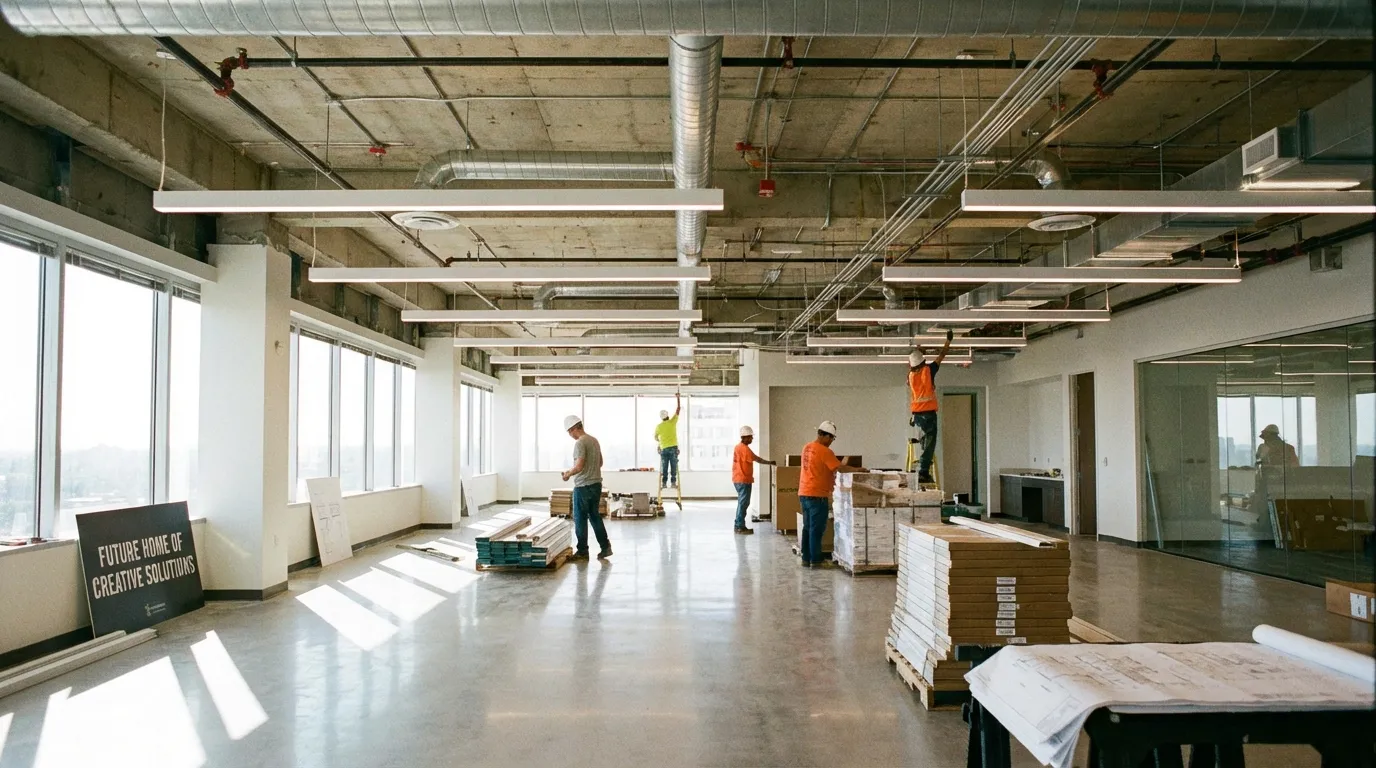
Whether a space is being renovated or fitted out, the design trends usually look very similar, and that’s not surprising. Hybrid work is now the norm, so offices often need fewer desks and more shared areas. It’s common to see quiet rooms placed right next to collaboration zones, with layouts that can change as needs shift, often by using movable furniture. This kind of setup is what many teams now expect in real life, not just on paper.
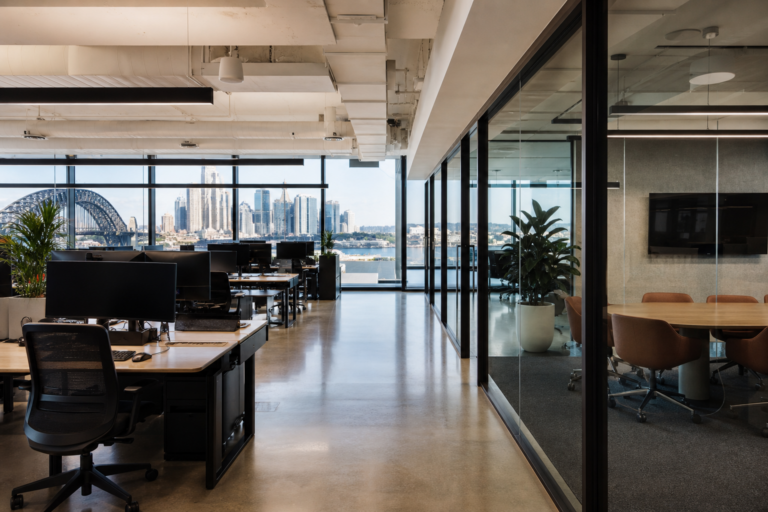
Wellness is another strong focus. Natural light often plays a big part, indoor plants are commonly added, and air quality gets more attention than it did before, usually through upgraded systems. Ergonomic furniture helps support everyday comfort, especially during long workdays. Accessibility compliance also matters, and inclusive design is generally treated as a basic requirement, not an optional extra.
Sustainability continues to guide many decisions. Energy‑efficient lighting is common and is often paired with low VOC materials and recycled finishes as part of the same approach. Over time, these choices can also help lower operating costs.
Industry‑specific needs matter too. Healthcare offices have very different demands compared with legal practices or tech teams, often more than people expect, which is why these differences need to be understood early, before plans are locked in. Learn more in our Healthcare Office Fitouts Sydney: Key Design Requirements.
Making the Right Choice for Your Business
One useful part of choosing between office renovation Sydney projects and a new office fitout is the clarity it brings. Lease terms usually shape the rest, so it helps to start there. How much time is left, and are incentives available? Then think about the team and how work might change, since teams rarely stay the same.
Budget is part of the picture, but value matters more over time. A cheaper setup that limits growth can cost more later. Flexibility, brand presence, staff experience, and adaptable layouts make the difference.
Why deal with handovers? One option is working with a partner, where design, approvals, construction, and management stay connected.
Questions People Commonly Ask
Is office renovation cheaper than a new office fitout in Sydney?
In most cases, yes, it’s cheaper at first. Renovations often cost less to start, but older buildings can hide problems that raise costs later, so checking the space first can help.
How long does a commercial office renovation take?
Most small office renovations finish in about 4 to 8 weeks. Bigger jobs can take longer due to scope, approvals, and occupancy, especially in lived-in offices, where work moves slower. In my view, timelines vary.
Can we keep working during an office renovation?
Usually, yes, it’s workable. Many Renovation Sydney projects run in stages, which helps reduce disruption when planning and communication are clear.
Are landlord incentives better for office fitouts?
Yes, that’s usually true. In Sydney, landlords often offer incentives on new leases, like turnkey fitouts and contribution packages.
Which option’s better for hybrid work?
Both can work, it really depends on the situation. New fitouts often offer more flexibility, while renovations adapt spaces for hybrid setups through design tweaks.
The Bottom Line for Sydney Businesses
Right now in Sydney, both office renovations and new office fitouts make sense. The right choice depends on what you’re trying to achieve. For teams moving fast and keeping costs tight, which is common, renovation often fits better. It supports sustainability and lets people stay put, so disruption is lower.
New fitouts suit teams ready to change or grow, especially those wanting a clean slate in premium buildings and a new feel. Lease terms and your people matter most, while future plans often affect timing.
With high vacancy rates and strong incentives across the city, now is a practical time to move. Clear advice early helps, like choosing between a simple update or a full refit. For more strategic insights, see Maximising ROI with Office Space Transformation Sydney.
Make Office Fitouts Sydney a preferred source in Google
One click tells Google to surface our articles more often in Top Stories, AI Overviews and AI Mode.