Council Approval for Office Fitout Sydney: The Real Rules
Last updated:
Do you need council approval for an office fitout in Sydney? In most cases, no. If the fitout is internal only, doesn’t change the building’s approved use, and doesn’t touch fire safety systems, structure or the building envelope, it is usually exempt development and can proceed without a Development Application. However, council approval office fitout Sydney requirements do apply when the works are more substantial, involve a change of use, alter fire egress, or sit inside a heritage-listed building. The safest approach is always to check with the relevant council or an accredited certifier before work starts, because getting this wrong can halt a project mid-build.
At Office Fitouts Sydney, we manage the council approval question on every project we scope, because getting it wrong is one of the most expensive mistakes a tenant can make. This guide breaks down exactly when council approval office fitout Sydney rules kick in, which pathway applies, and how to keep your project on schedule.
What Triggers Council Approval Office Fitout Sydney Requirements?
Whether your project needs council approval office fitout Sydney sign-off comes down to a handful of factors that every Sydney council assesses in a similar way, even though each Local Government Area (LGA) applies its own Development Control Plan (DCP) on top of the state framework.
- Change of use: converting a warehouse to an office, or a retail shop to a business premises, almost always triggers assessment.
- Structural work: removing or altering load-bearing walls, changing floor loads, or modifying the building envelope.
- Fire safety impact: altering fire compartments, egress paths, sprinkler coverage or the fire safety schedule.
- Heritage listing: any works inside or affecting a heritage item or conservation area, even cosmetic changes, can require consent.
- External changes: new signage, awnings, or alterations visible from the street.
- Accessibility upgrades: works that trigger Disability Discrimination Act or Premises Standards compliance for public-facing tenancies.
If none of these apply and the fitout is a straightforward internal refresh, such as new partitions, carpet, ceiling tiles, workstations and paint within an already-approved office tenancy, it typically falls under exempt development and does not need council sign-off at all.
The Three Approval Pathways in NSW
Understanding council approval office fitout Sydney rules means understanding the three pathways set out under the NSW planning system. Each has a different assessment authority, timeframe and cost.
1. Exempt Development
Exempt development is work considered minor enough that it needs no approval at all, provided it meets the criteria in the State Environmental Planning Policy (Exempt and Complying Development Codes) 2008. Internal fitout works to an existing, lawfully approved commercial tenancy generally qualify, as long as there’s no change of use and no impact on fire safety, structure or heritage significance.
2. Complying Development Certificate (CDC)
A CDC is a fast-track combined planning and construction approval for straightforward developments that don’t meet the exempt threshold but also don’t need a full merit assessment. Councils and private accredited certifiers can both issue a CDC, and turnaround is typically measured in days rather than months. Many shopfront and office fitouts that involve a bit more than cosmetic change, but still sit within clear numeric and locational limits, are assessed this way.
3. Development Application (DA)
A full Development Application is required when the fitout doesn’t qualify as exempt or complying, most commonly for a change of use, a heritage-affected building, significant structural work, or a site with unusual planning constraints. A DA is assessed by council against the relevant Local Environmental Plan (LEP) and DCP, and involves public notification in some cases, technical referrals, and a Notice of Determination once approved. Timeframes vary by council but commonly run from several weeks to a few months.
How Long Does Council Approval Office Fitout Sydney Take?
Timing is one of the first questions every tenant asks once they understand approval is needed. As a rough guide:
- Exempt development: no approval process, work can start once documentation confirms eligibility, often within days.
- Complying Development Certificate: typically 5 to 20 business days once a complete application is lodged with council or a private certifier.
- Development Application: typically 40 to 90 days depending on the council, complexity, and whether public notification or additional information requests extend the clock.
These are indicative ranges. Every LGA, including the City of Sydney, Inner West, Northern Beaches, North Sydney and Parramatta councils, sets its own service standards and can take longer for complex or contested applications. Building the assessment timeframe into your project program from day one avoids the most common cause of fitout delays.
Which Council Handles Your Council Approval Office Fitout Sydney Application?
Sydney is made up of more than 30 Local Government Areas, and the council you deal with depends entirely on the tenancy address. A fitout in the City of Sydney LGA is assessed against City of Sydney planning controls; a fitout in North Sydney, Willoughby, or Parramatta is assessed against that council’s own LEP and DCP. Some sites, particularly large commercial towers in the Sydney CBD, sit under the Central Sydney Planning Committee rather than standard council delegation.
Before finalising a fitout design, it’s worth requesting written planning advice from the relevant council, or engaging a private certifier who can confirm the applicable pathway. Office Fitouts Sydney coordinates this step on behalf of clients across the metro area so tenants don’t need to interpret planning instruments themselves.
Documents You’ll Typically Need
Regardless of which pathway applies, most council submissions for an office fitout require a consistent set of documents:
- Certificate of title or evidence of ownership/leasehold interest
- Existing and proposed floor plans, drawn to scale
- A Statement of Environmental Effects (for a DA) outlining the scope and impact of works
- Fire safety schedule and, where relevant, updated fire engineering reports
- BCA/NCC compliance report addressing accessibility, fire and structural provisions
- Landlord written consent to lodge the application
- Building Code of Australia (now National Construction Code) compliance assessment for the proposed works
Missing or incomplete documentation is the single most common reason council applications stall, so having a fitout partner who prepares this package correctly the first time is one of the biggest time savers on a project.
Fire Safety and the National Construction Code
Fire safety compliance sits at the centre of most council approval office fitout Sydney decisions. Under the Environmental Planning and Assessment (Development Certification and Fire Safety) Regulation 2021, any building work that affects a fire safety measure, such as sprinkler coverage, smoke detection, fire doors or egress paths, requires an updated Fire Safety Schedule issued by council or a registered certifier. In NSW, Construction Certificates lodged from 29 July 2025 onward are assessed against NCC 2022 Amendment 2, with NCC 2025 due to be adopted in NSW from 1 May 2027, so it’s worth confirming the current edition applying to your project rather than assuming the newest national code is already in force locally.
A qualified fire safety practitioner should review any fitout that touches these systems, and their sign-off typically forms part of the Fire Safety Certificate lodged at completion.
What Happens If You Skip Council Approval?
Carrying out works that legally require a DA or CDC without approval is a breach of the Environmental Planning and Assessment Act, and councils can issue stop-work orders, fines, or require the works to be removed or rectified at the tenant’s cost. It can also affect insurance validity and create problems at lease-end when a make good or occupation certificate is required. This is why a proper planning check at the start of a project, rather than partway through construction, protects both budget and timeline.
Common Council Approval Office Fitout Sydney Scenarios
To make the council approval office fitout Sydney rules easier to apply in practice, here are the scenarios we see most often across CBD towers, fringe suburbs and business parks:
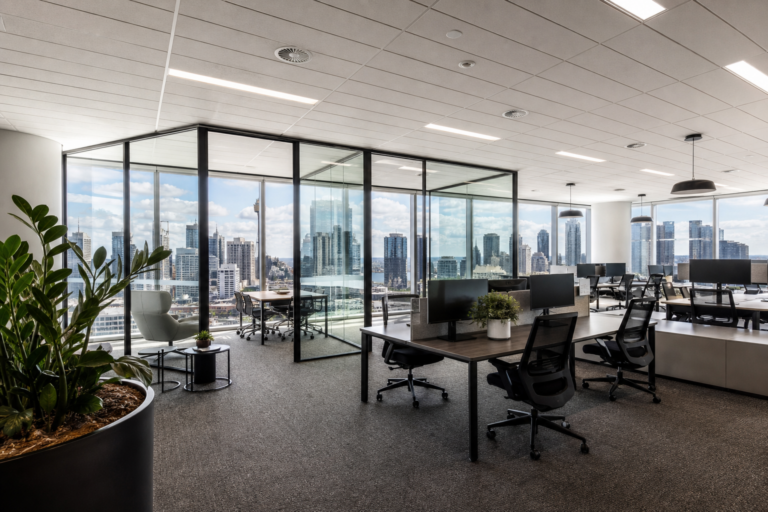
- New tenant, same use, cosmetic refresh: new carpet, paint, workstations and partitions inside an existing office tenancy, with no structural or fire safety change. This almost always sits under exempt development, and council approval office fitout Sydney sign-off is not required.
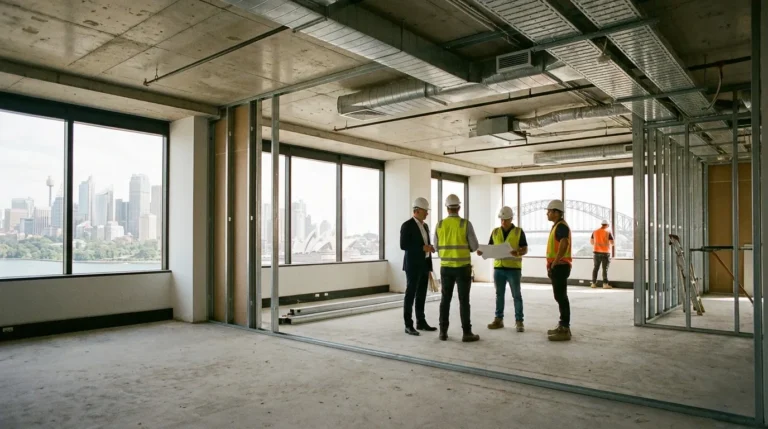
- Growing team, added meeting rooms: new stud partitions and glazing to create meeting rooms, provided they don’t affect fire compartmentation or egress width, often still fall under exempt or CDC categories depending on scale.
- Warehouse or retail space converted to office: this is a change of use and will almost always need a Development Application, since the building’s approved use classification is changing.
- Heritage building tenancy fitout: even a modest internal fitout inside a heritage item usually needs a DA, because council must assess the heritage impact regardless of how minor the physical works are.
- Fitout affecting fire stairs or egress paths: any change here requires an updated Fire Safety Schedule and is unlikely to qualify as exempt development.
Matching your specific scenario against these patterns early is the fastest way to know whether a council approval office fitout Sydney application is even necessary before a single drawing is finalised.
How Office Fitouts Sydney Manages Council Approval
Office Fitouts Sydney handles the full council approval office fitout Sydney process for clients, from the initial planning check through to lodging documentation and liaising with council or a private certifier. Our process includes:
- An early planning assessment against the relevant council’s LEP and DCP before design is finalised
- Preparation of floor plans, Statements of Environmental Effects and fire safety documentation
- Coordination with accredited certifiers for CDC pathways to speed up approval
- Management of DA lodgement and council liaison for more complex projects
- Landlord consent coordination alongside the council process
This approach means clients rarely discover a planning issue after design or construction has started, which is when it becomes most expensive to fix. For a wider view of how approvals fit into the overall project, see our best office fitouts Sydney guide, or start with our home page to learn more about our full-service fitout capability.
Frequently Asked Questions
Do all office fitouts in Sydney need council approval?
No. Most internal fitouts to an already-approved office tenancy that don’t change the use, structure or fire safety systems are exempt development and don’t need council approval at all.
What is the difference between a CDC and a DA for an office fitout?
A Complying Development Certificate is a fast-track approval for straightforward works meeting set criteria, assessable by council or a private certifier in days to a few weeks. A Development Application is a full merit assessment by council, used when the fitout doesn’t meet exempt or complying criteria, and can take 40 to 90 days or more.
Does a heritage-listed building always need a DA for a fitout?
In most cases, yes. Works inside or affecting a heritage item or a heritage conservation area typically require a Development Application, even for internal-only changes, because council needs to assess heritage impact.
Who assesses fire safety requirements for an office fitout?
Fire safety measures are assessed against the Environmental Planning and Assessment (Development Certification and Fire Safety) Regulation 2021 and the current National Construction Code edition applying in NSW, with sign-off from council, a registered certifier, or an accredited fire safety practitioner depending on the scope.
Can my landlord require approval even if council doesn’t?
Yes. Landlord consent is a separate requirement from council approval and is usually required under the lease regardless of the planning pathway. Both should be confirmed before work begins.
How much does council approval add to an office fitout budget?
Costs vary by council and pathway, from no direct fee for exempt development, to several thousand dollars in certifier and council fees for a CDC or DA, plus consultant reports where fire, structural or heritage input is needed.
Who should manage the council approval process on my behalf?
An experienced fitout partner like Office Fitouts Sydney can manage the entire council approval office fitout Sydney process, from the initial planning check through to lodgement and certifier liaison, so the project timeline isn’t put at risk.
Planning Ahead Protects Your Fitout Timeline
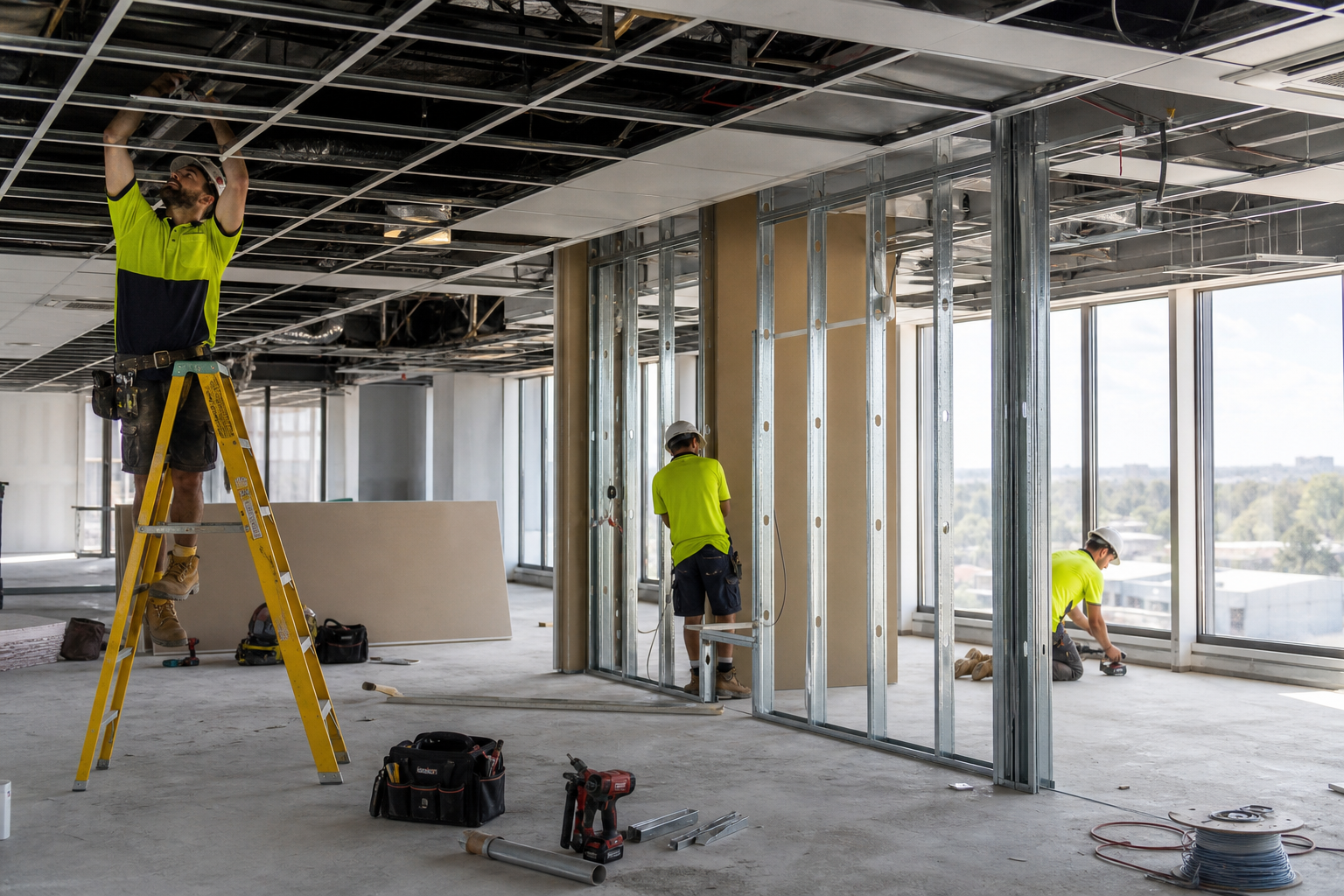
The clearest way to avoid delays is to treat the council approval question as step one of the project, not an afterthought once design is locked in. A short planning check against the relevant council’s LEP and DCP, done before drawings are finalised, tells you which of the three pathways applies and what documentation to prepare. For most straightforward internal fitouts across Sydney, that check confirms the works are exempt and can proceed immediately. For fitouts involving change of use, heritage buildings, or fire safety upgrades, it gives you a realistic timeframe to build into the project program from the outset.
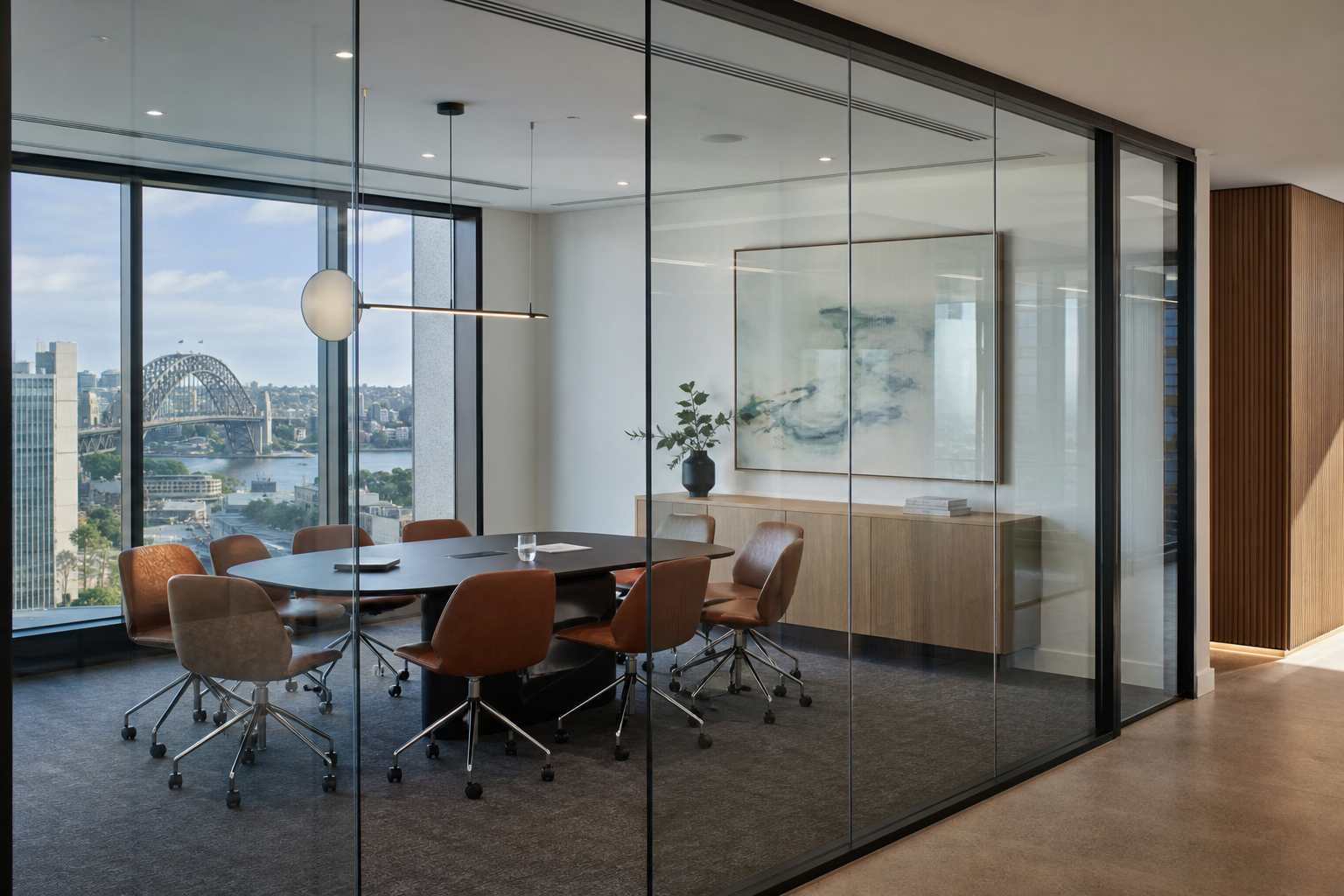
Office Fitouts Sydney works across every major Sydney LGA, coordinating council approval office fitout Sydney requirements alongside design, construction and landlord sign-off, so tenants get one point of accountability for the whole project. For further detail on planning pathways and fire safety obligations, the NSW Department of Planning and Environment publishes current guidance on complying development and DA requirements.
Make Office Fitouts Sydney a preferred source in Google
One click tells Google to surface our articles more often in Top Stories, AI Overviews and AI Mode.